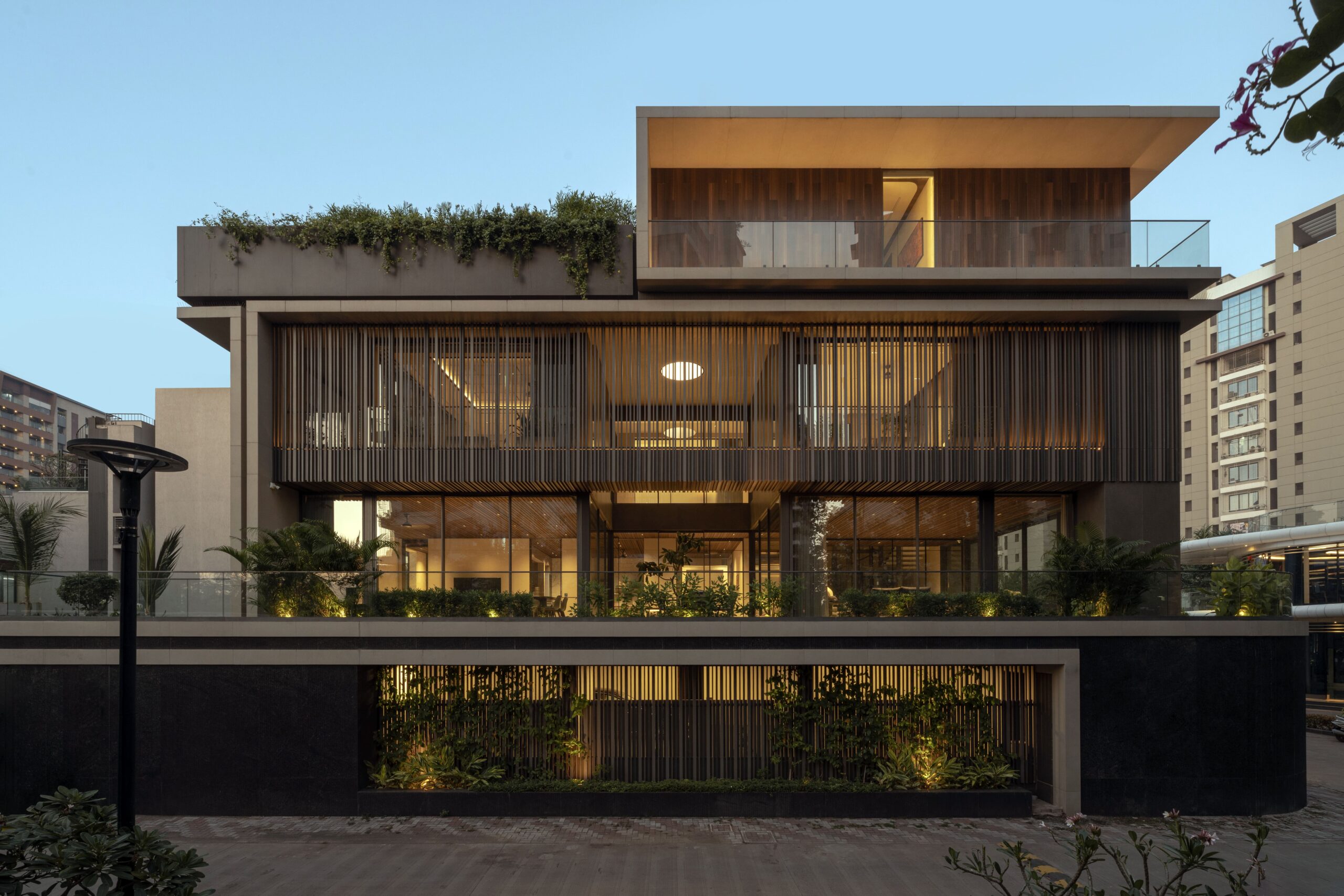
Walk into a well-designed room and you feel it before you can explain it: the light seems softer, the air calmer, your shoulders drop. For years, interior design has chased that feeling by bringing nature indoors with plants, daylight or a view. But the sharpest question in design today is how to make a space measurably better to be in.
Increasingly, the answer comes down to the materials themselves.
In short: in 2026, connecting people to nature indoors is evolving into something more precise: in human-centred materiality, spaces are designed and measured around how materials make people feel. The shift moves from a visual style to a multisensory, evidence-based experience and it puts surfaces at the centre.
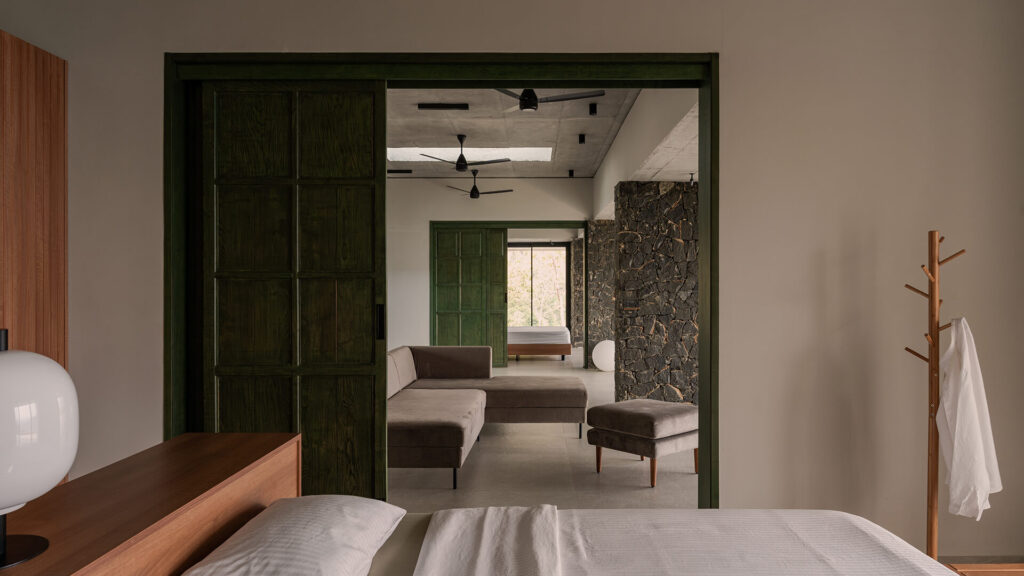
Designing for how a space feels
A few years ago, bringing nature indoors mostly meant a green wall and better daylight. That thinking is now established with biophilic design, but the conversation has moved on. In 2026 human-centred materiality connects us to nature with a deep focus on what the connection is actually made of. Its carrier is authentic materiality, the grain, texture and quiet imperfection of real surfaces and its proof is no longer instinct, but neuroscience.
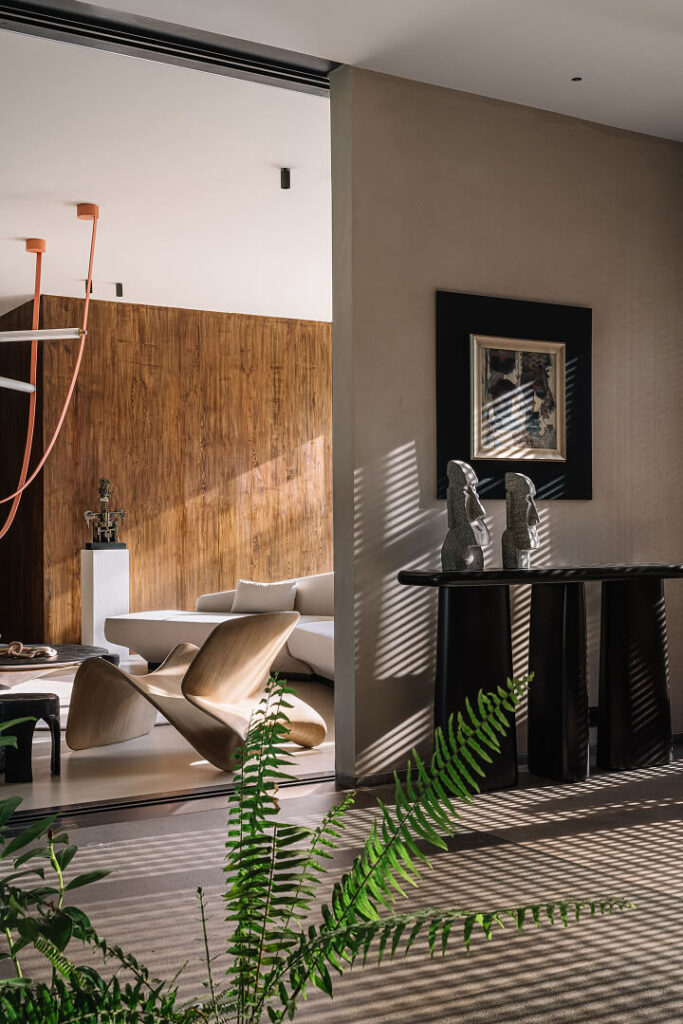
What the neuroaesthetics evidence shows
Neuroaesthetics is the study of how the brain responds to aesthetic experience and is now testing what designers have long assumed: that natural, material-rich spaces genuinely make us feel better.
At the Penn centre for Neuroaesthetics, researchers compared three versions of the same space: an ordinary room, a nature-filled one, and a biophilic one built from earth tones, textured walls, a timber desk and softly dappled light. The direction of the evidence is consistent: nature-rich and biophilic rooms are linked to lower stress. Studies have connected them to reduced activity in the brain’s cognitive-control regions, a marker of lower mental load, along with less fatigue and anxiety.
For designers, this changes their approach. Wellbeing stops being a nice-to-have and becomes a specifiable outcome. And because so much of what the brain reads as restorative is texture, light and material, the specification increasingly comes down to surfaces.
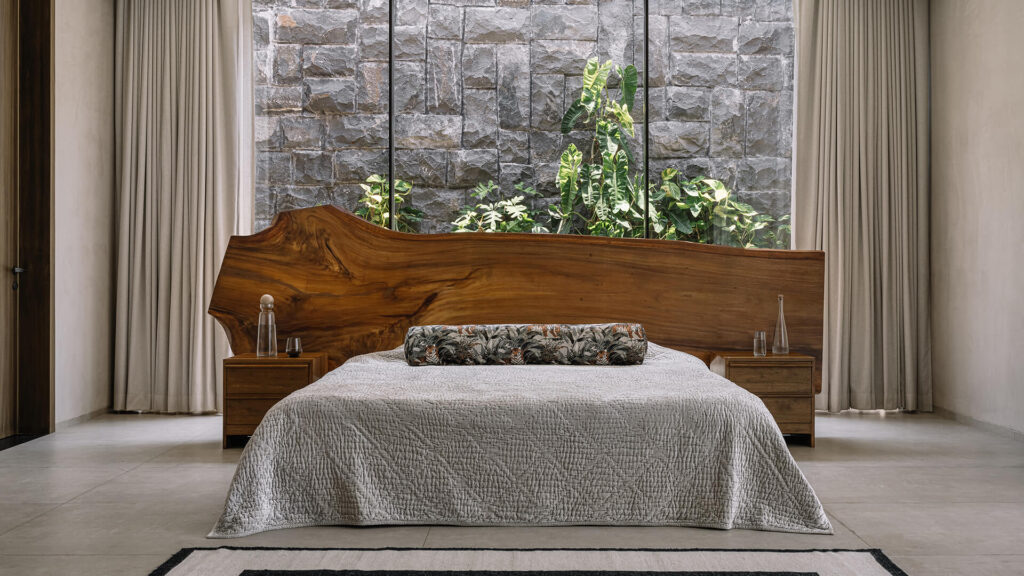
Authentic materiality: what the connection is made of
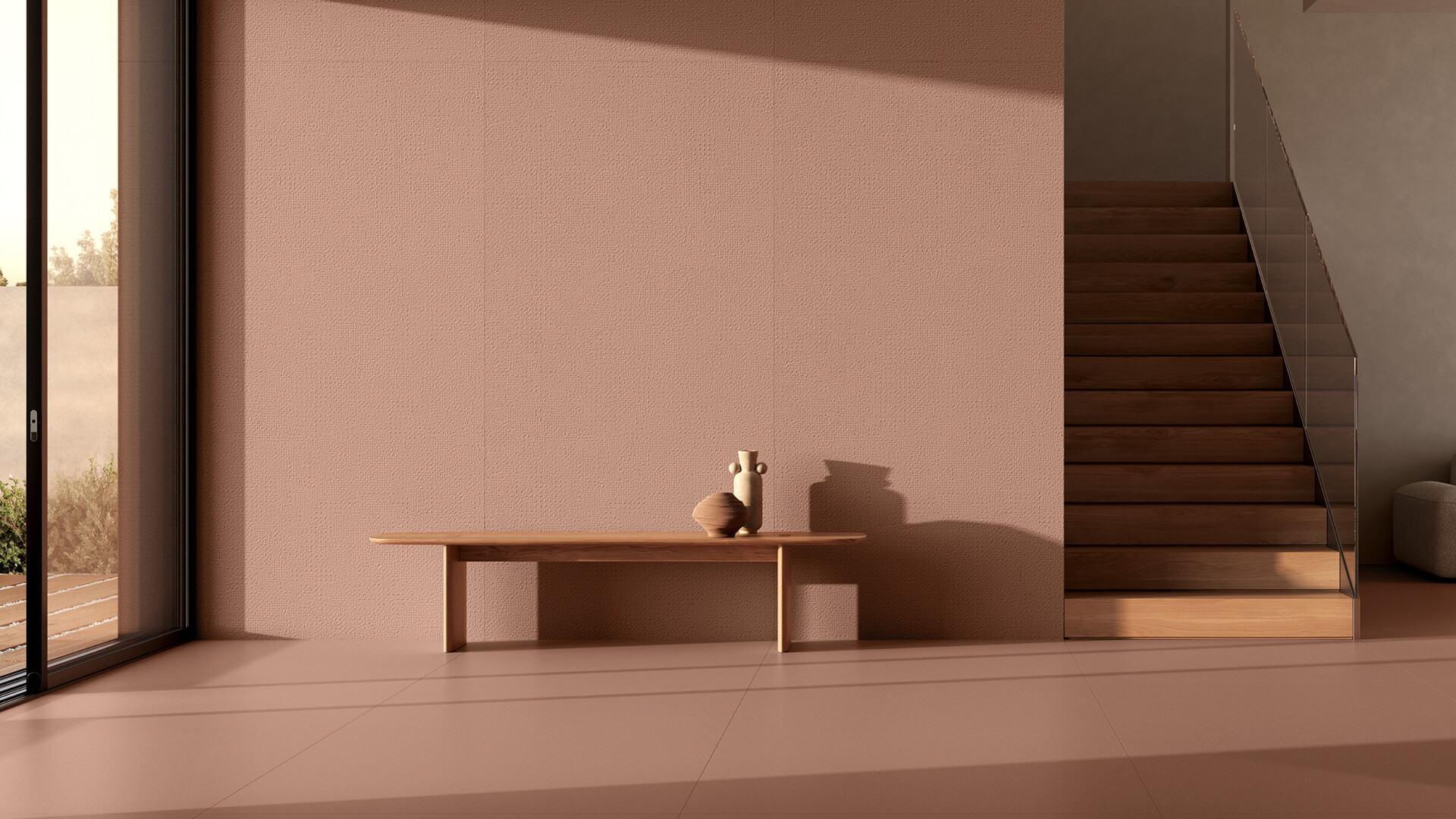
The new instinct is to let material feel honest. Visible grain, natural variation, the way stone catches raking light, the sense that a surface has real depth rather than a printed picture of depth. These are what the body registers as authentic. It’s the difference between a glossy image of marble and a surface you actually want to run your hand across.
That’s how texture has become the real luxury. A matte, tactile stone or a sculpted, three-dimensional surface engages far more than the eye: it invites touch and shifts through the day as light and shadow move across it. This is what a Sensory Design approach is really about, surfaces that are felt, not just seen.
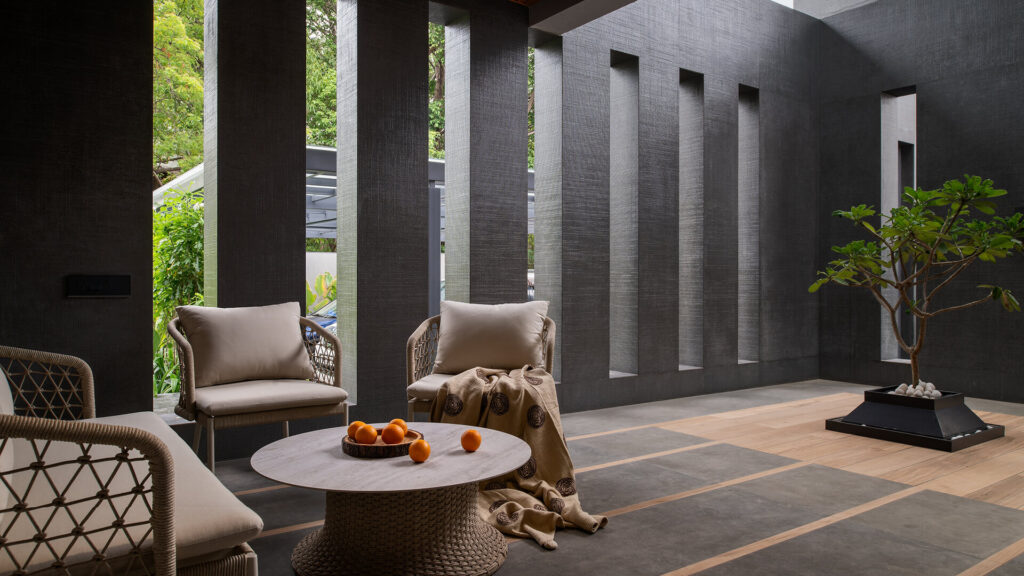
How sintered surfaces meet human-centred materiality
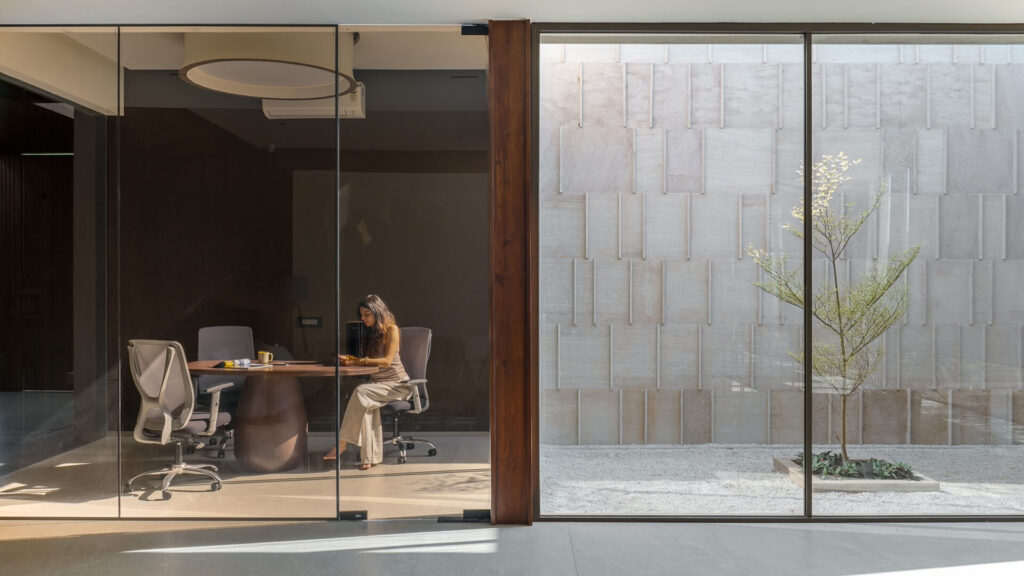
Not every project can have a courtyard, a view or a wall of plants. A dense city apartment, a below-grade office, a north-facing clinic: real nature is often not on the table. Here the most useful idea in human-centred materiality comes in: the natural analog. Where genuine greenery or a view isn’t feasible, materials, textures and colours can stand in for them, delivering much of the same restorative effect.
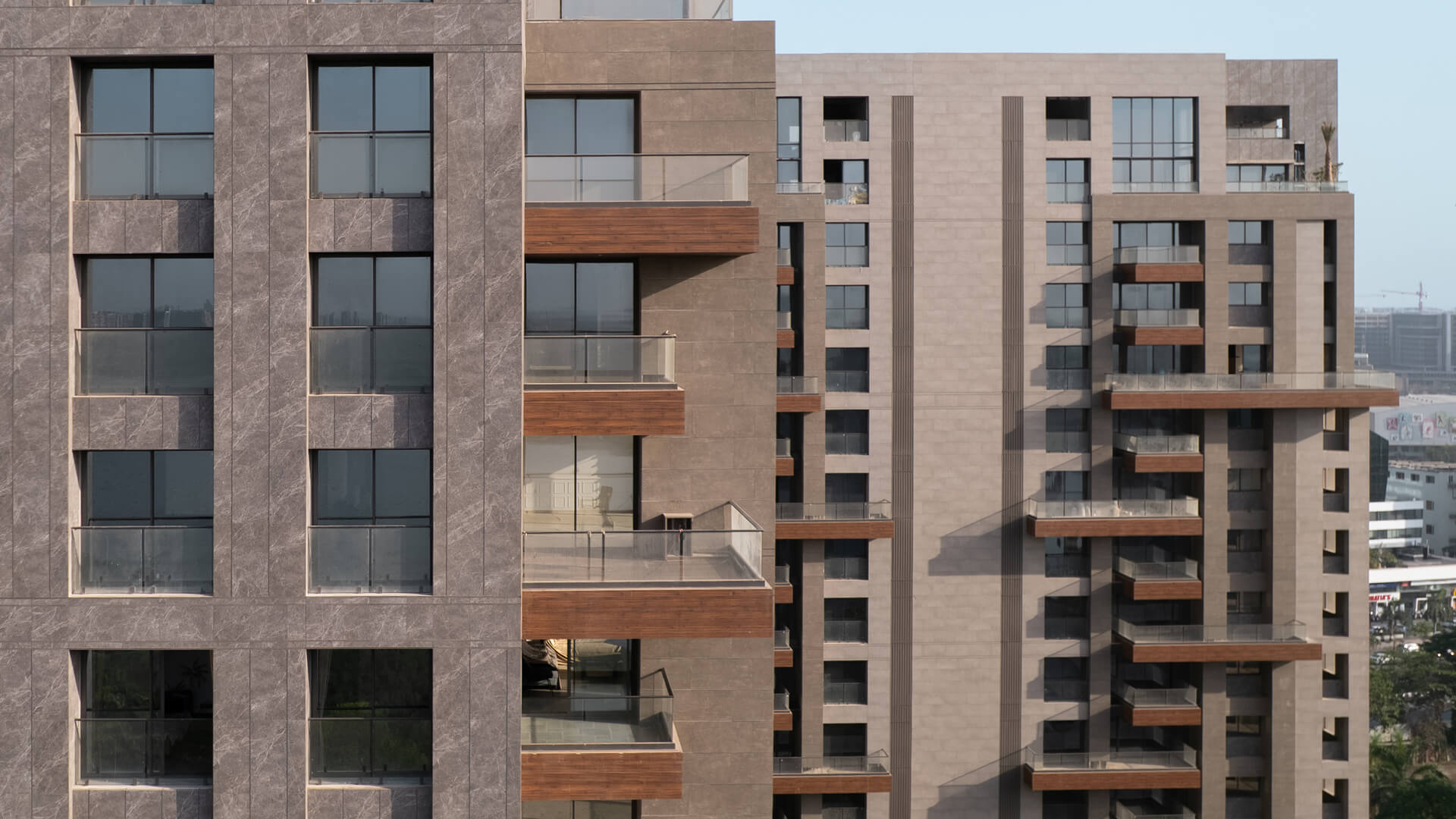
Engineered to carry the organic depth of natural stone, wood or clay while meeting the durability, hygiene and performance a real project demands, Nexion’s sintered surfaces deliver that restorative, tactile quality without trading how a space feels for how it performs.
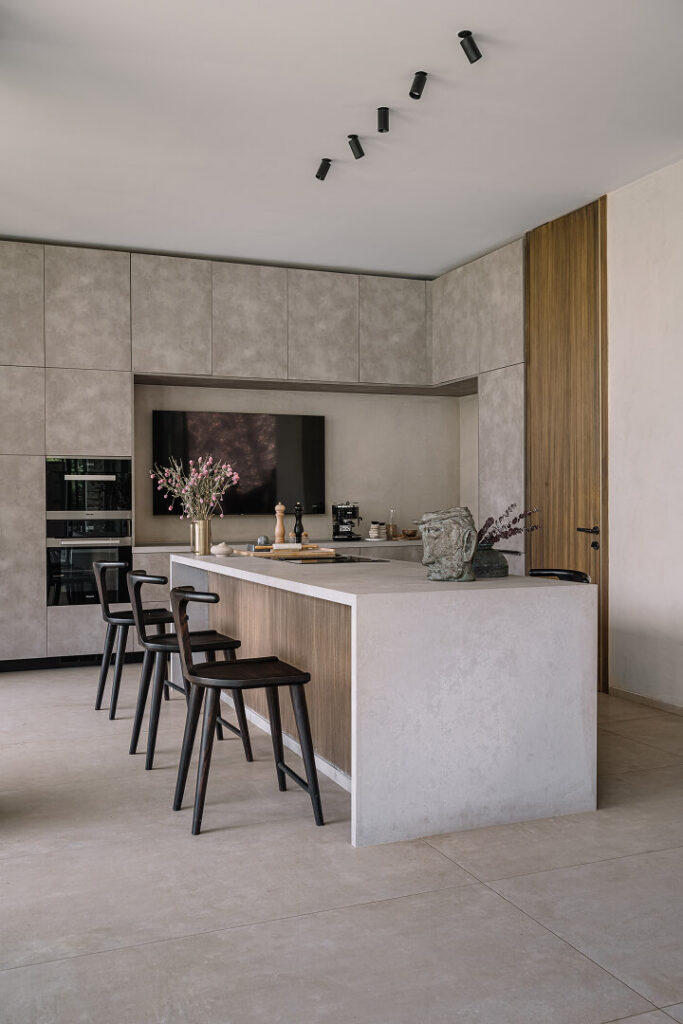
Also these surfaces bring something the wellbeing conversation increasingly demands: sustainability. A surface that endures for decades, resisting wear, is both the healthier and the lower-impact choice. Better still, Nexion’s tiles age beautifully, keeping their identity and gaining character over time. Longevity is part of wellbeing.
How to integrate human-centred materiality in your next project
Human-centred materiality reframes the surface from a finish applied at the end to a wellbeing decision made at the start. Choose materials for how they feel and how they age, favour texture and matt depth over flat gloss. And treat the material palette as the most reliable, most scalable way to bring the restorative qualities of nature into any space, even the ones nature can’t reach.
Explore Nexion’s sintered surfaces, stone, travertine, wood and textured collections designed to bring the restorative depth of natural materials to any project, from a city apartment to a wellness retreat.
FAQ
What is human-centred materiality?
Human-centred materiality is an approach to interior design that puts materials, their texture, depth and the way they age, at the centre of wellbeing. Instead of focusing on how a space looks, it designs and selects surfaces around how they make people feel, backed increasingly by neuroscience.
What’s the difference between biophilic design and human-centred materiality?
Biophilic design is the broad practice of connecting people to nature indoors. Human-centred materiality is where it’s heading in 2026: a sharper focus on the materials that carry that connection, chosen and measured for how they make people feel.
What is neuroaesthetics in interior design?
Neuroaesthetics studies how the brain responds to aesthetic and spatial experience. Applied to interiors, it turns “this space feels good” into something researchers can actually measure, increasingly used to validate biophilic and material choices.
Can materials really improve wellbeing without plants or views?
Yes, this is the idea of natural analogs. When real greenery or a view isn’t possible, natural materials, textures and colours can deliver much of the same restorative effect, which is why surfaces matter so much.
Sources:
The Psychology of Biophilic Design: Why Nature-Inspired Spaces Make Us Happier in 2026