Few cultural traditions have inspired contemporary design as profoundly as Italian design and craftsmanship. From private luxury residences to flagship hospitality projects, surfaces and objects bearing the mark of Designed in Italy continue to carry a quality that other production cultures aspire to, yet rarely fully interpreted.
This quality is often described in aesthetic terms: refinement, proportion, restraint. But behind the visible elegance lies a deeper philosophy, a way of thinking about creation that treats two elements most industries try to minimize as creative materials in their own right: time, gesture and heritage.
This article explores how four Italian artisan traditions, celebrated in Nexion’s Italian Vibes journey, keep this philosophy alive and why it continues to define the way contemporary surfaces are designed today.
Time as a creative material

There is one element that runs through every Italian artisan tradition, one silent constant beneath the diversity of gestures and regions: time.
In Italian botteghe (the small, family run workshops at the heart of the country’s artisan culture), time is the raw material from which value emerges. Four traditions in Nexion’s Italian Vibes journey reveal how this same foundation gives rise to four different expressions of Italian design.
Stamperia Marchi: design & development
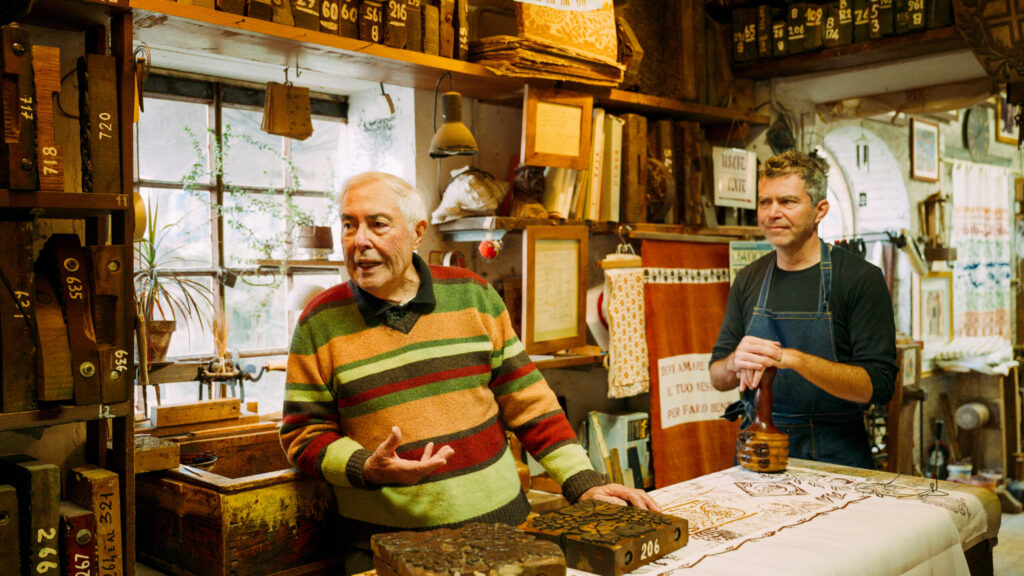
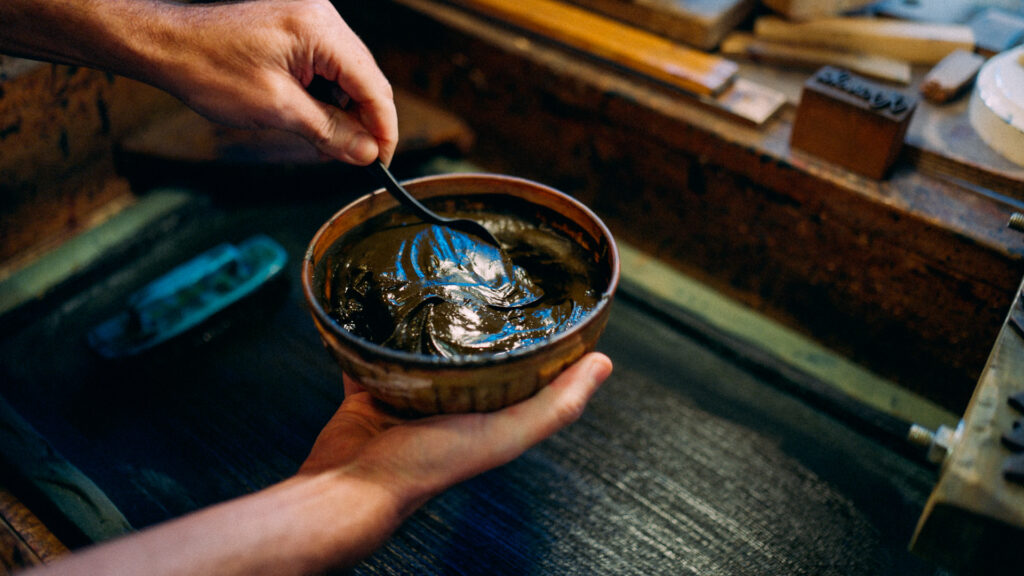
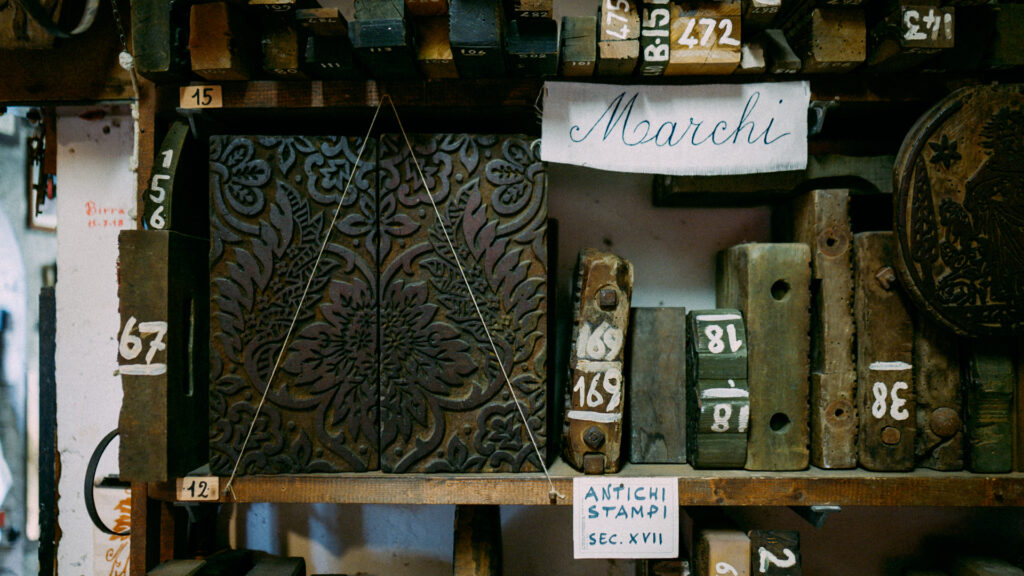
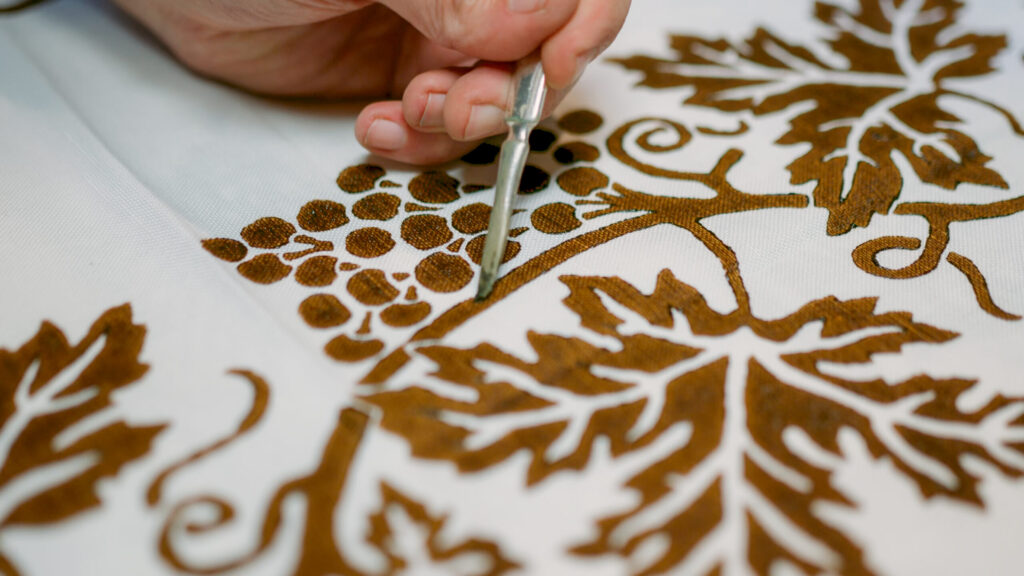
At the Stamperia Marchi, an artisan workshop in Sant’Arcangelo di Romagna, time has stood still since 1663. The Marchi family has practised stampa ruggine (rust printing) pressing wooden blocks onto fabric with a pigment whose exact recipe has been guarded for more than three centuries. The color cannot be rushed. It needs time to oxidize, to settle into the weave, to acquire the depth that no industrial dye reproduces.
“I was practically born here,” Gabriele Marchi recalls of the workshop where he learned the craft as a child, playing with the molds. “I learned this art without even realising it.”
What looks like a simple craft is a centuries-long exercise in design and development. Every batch refined, every detail studied, every variable mastered: this patient, disciplined pursuit of mastery is the essence of what Nexion calls Design & Development, where technique and material science converge into a signature outcome.
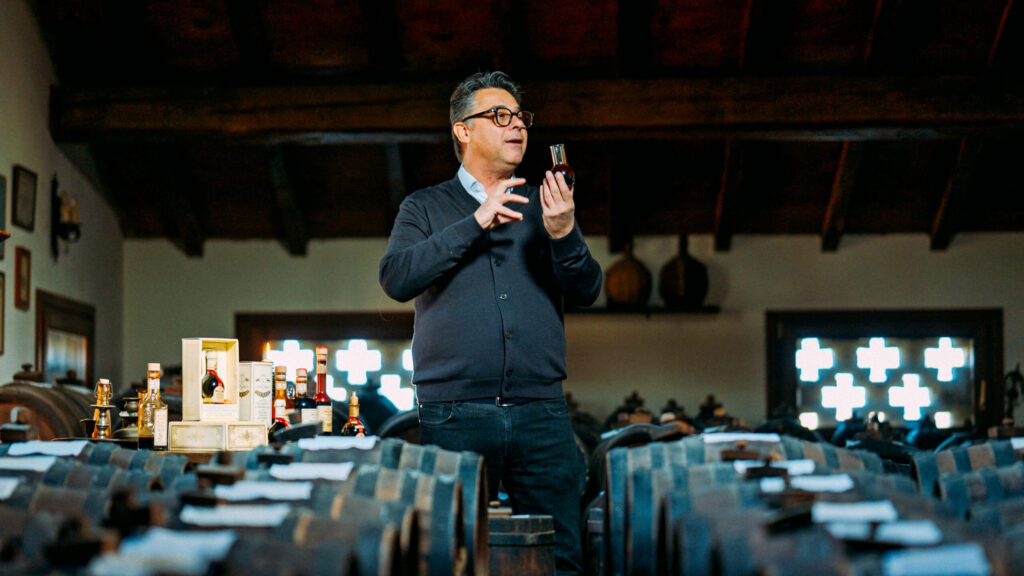
Acetaia Leonardi: time and patience
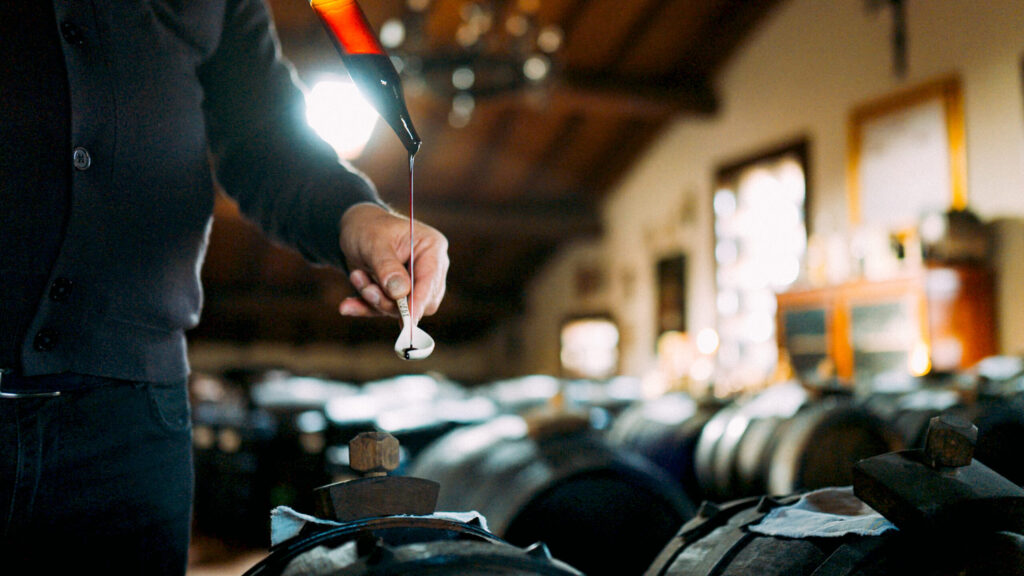
Ninety kilometres north of Sant’Arcangelo, in Magreta di Formigine, another Italian tradition unfolds at a similar rhythm. At the Acetaia Leonardi, the family has produced traditional balsamic vinegar of Modena, Italy’s celebrated “black gold“, for four generations.
Their barrels rest in attics and inside them, vinegar matures for at least twelve years, with some batches reaching the extraordinary age of one hundred.
“Every bottle we produce is a gift for future generations,” says Pietro Leonardi.
Time here is an ingredient. A surface, a flavor, or a pattern that emerges from years of patient transformation carries something fast production simply cannot replicate, the memory of its own becoming. This is time and patience, the foundations of excellence.

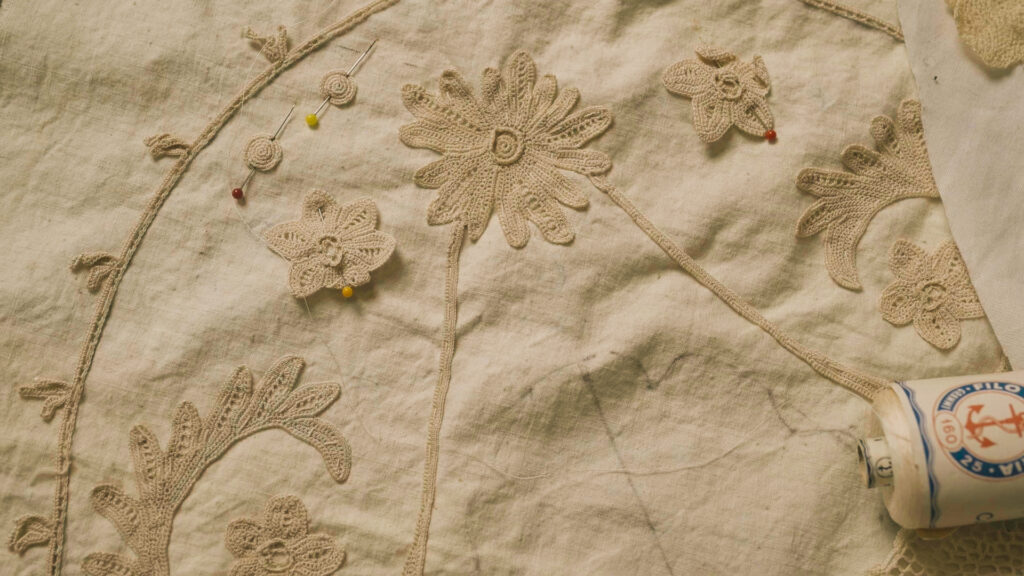
Merletto di Orvieto: heritage and tradition
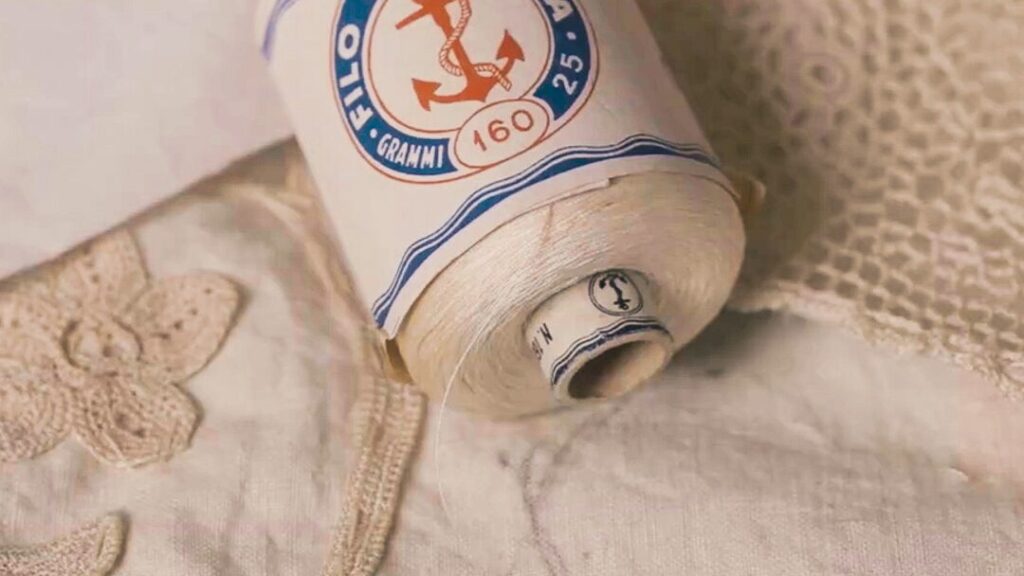
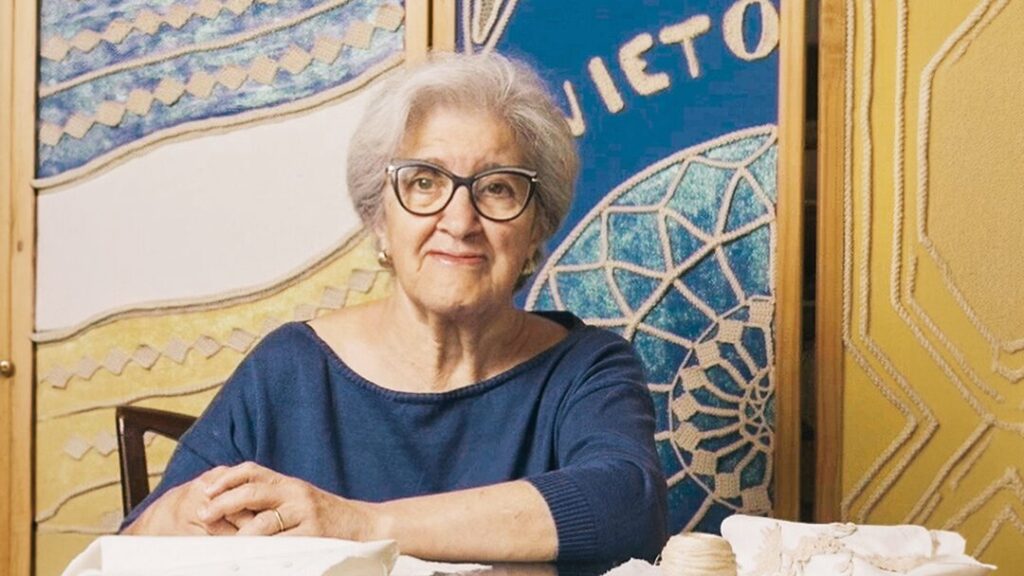
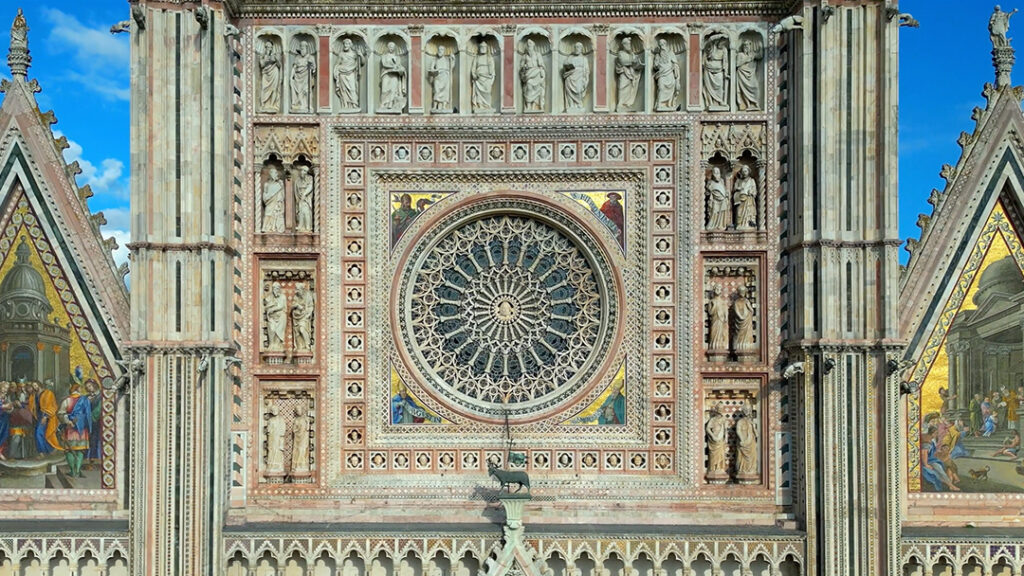
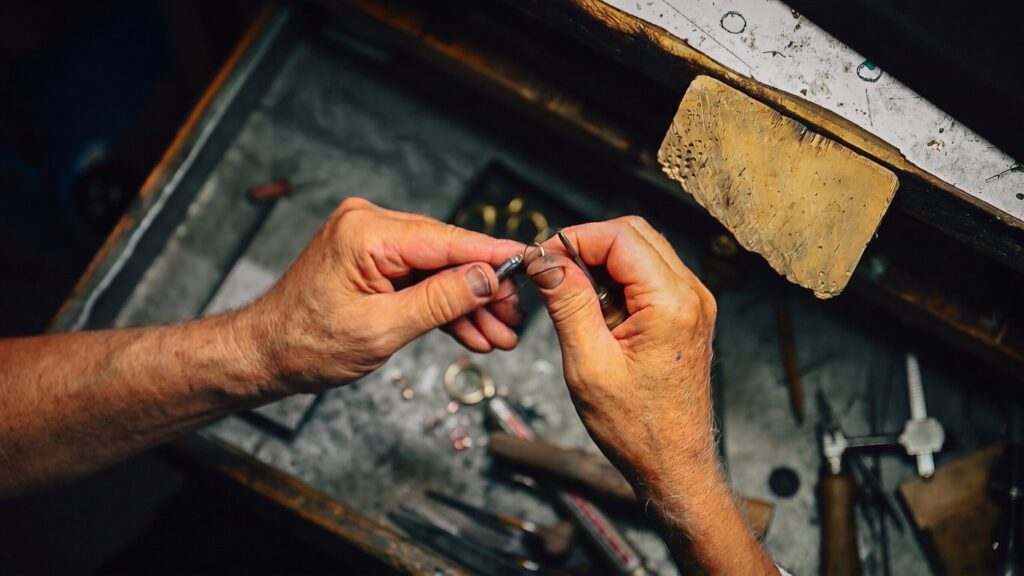
In the medieval city of Orvieto, in central Italy, Loretta Lovisa learned the art of Merletto di Orvieto, the tradition of Orvieto lace, by watching her grandmother and mother sew on the doorstep of their home. “My entire life is tied to merletto,” she says. Today, from that same doorstep, her craft has travelled beyond borders, reaching designers and collectors across continents. Yet the technique itself remains exactly what those women taught her: the needle still follows, as Loretta puts it, “the sculpted reliefs of Orvieto’s Duomo.”
In most contemporary professions, expertise lives in manuals and standardised procedures. In Italian artisan tradition, expertise lives in the precise pressure of a hand and the rhythm of a repetition, transmitted through observation and practice across generations.
This is memory shaping the future, in Loretta’s own words. Tradition is preserved by being practised freshly, each generation, with the same care. Heritage and tradition are what allow innovation to carry meaning, not just novelty.
Pendoleria Soprana: rigor and precision
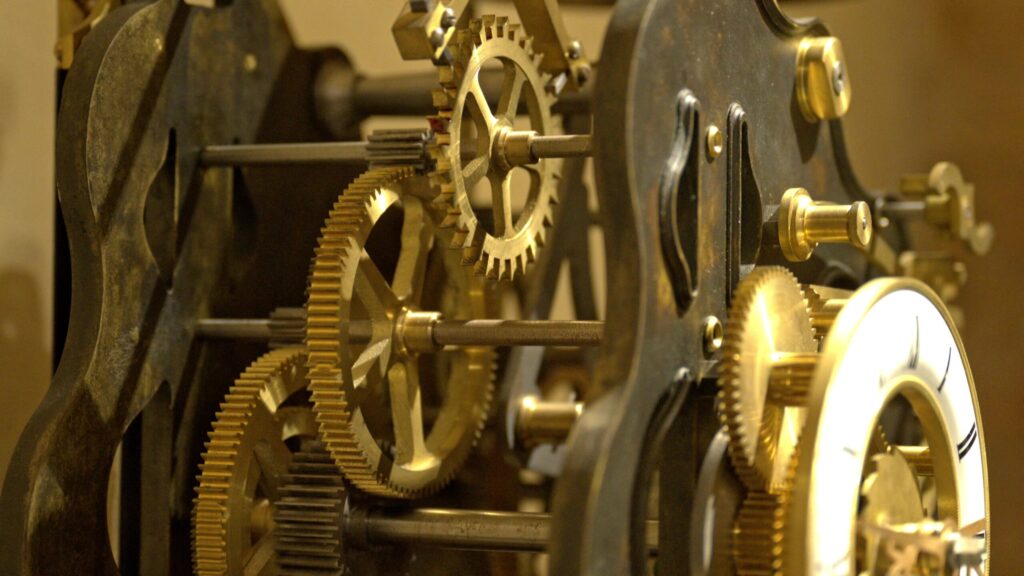
In Vicenza, Northern Italy, at the historic Pendoleria Soprana, time is measured. Founded in 1910 by Vincenzo Soprana, the workshop today continues under his great-grandsons Giovanni and Matteo, who hand-assemble pendulum clocks with the same meticulous attention their forefathers used more than a century ago.
“As a child, I was fascinated by the pendulums that moved, marking the passage of time,” Giovanni recalls. “Hand-set gears demand patience and precision. In a world that clicks faster every day, the pendulum clock slows the moment, marking time so we can pause.”
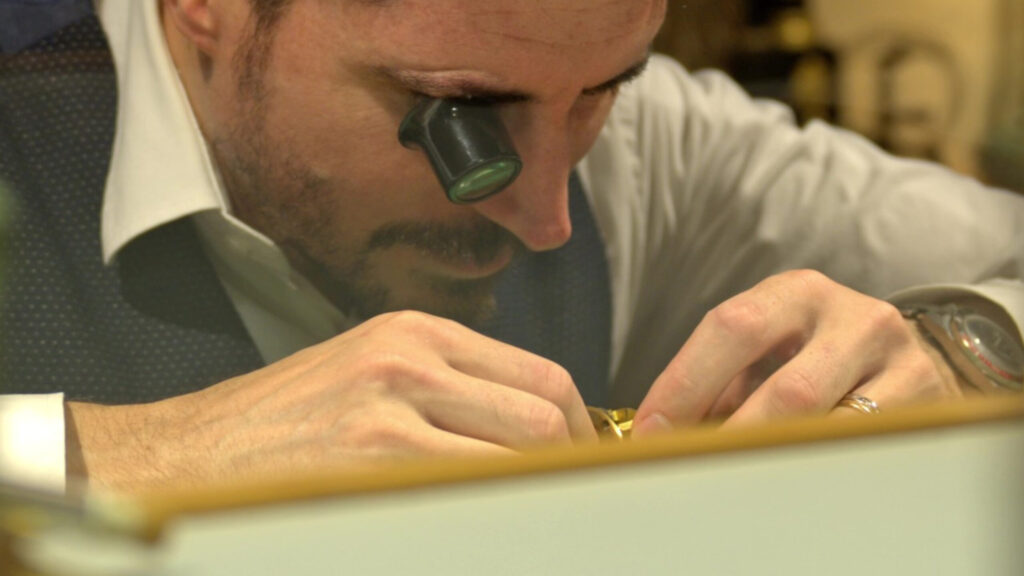
Every pendulum clock is made of dozens of small moving parts, each of which must be organized, aligned and assembled by hand. What might look like a single object is, in truth, a network of components held together by the artisan’s memory of every gesture. And in the Pendoleria, this attention scales: several clocks are often assembled at once, each at a different stage, each requiring the same undivided focus.
Rigor here is the discipline of orchestrating many mechanisms, without letting a single detail escape. In contemporary design, this same discipline distinguishes surfaces that endure from those that merely appear.
Gesture as a form of knowledge
There is a second, more subtle reason why Italian artisanal workshops continue to influence the global design conversation. And it has to do with how knowledge is transmitted.
In most contemporary professions, expertise lives in manuals, software and standardised procedures. In Italian artisan tradition, expertise lives in the body, in the precise pressure of a hand, the angle of a wrist, the rhythm of a repetition. It is passed through observation and practice over years.
When knowledge lives in the gesture, it cannot be stolen or accelerated. It can only be inhabited. And the gestures that produce the finest Italian artisanal work – whether printed fabric, aged vinegar, or hand-stitched lace – are the result of so many small, repeated decisions that they become, effectively, irreproducible.
For design today, this matters more than ever. In a market saturated with surfaces that mimic each other, what distinguishes the authentic from the imitation is rarely the visible outcome. It is the depth of the gesture behind it.
Memory and heritage as the foundation of contemporary design

If time is the material and gesture is the knowledge, what holds the two together?
Heritage, the living memory of every artisan who came before.
Italian botteghe are, before anything else, archives in motion. Every gesture an artisan performs today carries information from every artisan who performed it before. The recipe of the Marchi color, the rhythm of the Leonardi barrels, the stitch of the Orvieto needle: all of these are forms of living heritage, encoded in the body of each generation.
This is why Loretta Lovisa’s reflection on her own work captures something far larger than her own bottega: memory shaping the future. The phrase describes precisely how Italian craftsmanship operates. The tradition is not preserved by being repeated identically. It is preserved by being practised freshly, each generation, with the same care.
Contemporary design has rediscovered this idea under different names: slow design, cultural authenticity, design heritage. But the principle is older than any movement: what gives a contemporary object its depth is its relationship to what came before. Designers, architects, and discerning clients sense the uniqueness of a surface that carries this heritage.
Innovation without heritage produces novelty while innovation rooted in heritage produces meaning. In an age when design cycles accelerate, materials are chosen for volume and quality is often the first casualty of scale, these botteghe have made a deliberate choice: to work slowly, prioritizing depth over output and defending a standard of excellence that industrial production rarely allows.
How Nexion represents Italian artisan tradition into interior design
In Nexion’s vision, the three principles that govern the Italian bottega – design & development as method, time & patience as discipline, heritage as foundation – lead the creation of sintered ceramic surfaces with their distinctive material depth. Time is a non-negotiable element: research into raw materials, testing of finishes, refinement of textures and tonal balances all unfold at the pace required to produce something genuinely new, not just visually new.
Industrial production is the continuation of craftsmanship carried out at a scale that allows Italian design culture to reach architects and designers across the world while honouring its essence. The gestures of the bottega become decisions inside the studio. The heritage of artisanal traditions becomes the foundation of aesthetic choices.
A Nexion surface speaks and carries an intention that an attentive observer recognises immediately, even without knowing the story behind it: the bottega moved to the material.
Why this matters for design today
For an architect specifying surfaces for a residential project, or an interior designer composing a hospitality space, the philosophy described above represents the difference between materials that age into a space and materials that simply occupy it.
Surfaces born of this descent bring something measurable in a project: longevity of presence. They were designed with the same patience that gave them their depth in the first place.
In a market increasingly aware of authenticity, sustainability and emotional value, choosing surfaces with a clear cultural lineage is no longer a question of aesthetic preference alone, but it is a strategic design decision. The Nexion Ombre Collection, awarded the iF Design Award 2026, stands as proof of the values of the Italian botteghe applied to contemporary surface design.
Italian craftsmanship continues to inspire contemporary design. Nexion’s collections translate this understanding into surfaces designed for spaces that aspire to last.
FAQ
What makes Italian design and craftsmanship unique?
Italian craftsmanship is defined by a specific relationship with time, gesture and heritage. Artisans treat time as a creative ingredient and transmit knowledge through observation and practice. It is this same authenticity that has turned Italian design into a global choice, a distinctive language of quality and heritage with a growing footprint in architectural and interior projects around the world.
How does Italian craftsmanship influence modern interior design?
Italian craftsmanship inspires the way designers think about materials, longevity and meaning. Surfaces and finishes rooted in artisanal tradition tend to age gracefully and bring cultural value that purely industrial products lack, qualities increasingly sought in residential and hospitality design.
How does Nexion connect Italian craftsmanship to contemporary design?
Nexion applies the philosophy of Italian artisanal workshop, patient research, attention to materials, respect for cultural heritage, to the design of contemporary sintered ceramic surfaces. The result is a product that combines industrial scale with artisanal sensibility, bringing Italian design culture into architectural and interior projects worldwide. This connection is brought to life through Italian Vibes, Nexion’s editorial storytelling journey into the artisan workshops of Italy, where People, Places, and Crafts reveal the soul of Italian design.