For a whole week, inside a dedicated space in the heart of the Brera Design District in Milan, Nexion presented Architextures. Nexion Texture Atelier, opening the doors of its material research to architects, designers, and visitors from across the world.
Built on method, structure, and material innovation, the atelier was designed to make each of those words tangible: something to see, to touch, and to walk through. From the moment visitors stepped through the door, they found a space shaped around research, design thinking and the craft behind the surface. Every detail, from the lighting to the display cases, invited a slower pace and a deeper engagement with matter
A sartorial approach to matter
That dialogue between industrial mastery and artisanal spirit reaches a new frontier: an iridescent material applied to sintered ceramic for the first time, generating ever-evolving colour, depth, and sensory response. Architextures was the place to see that evolution unfold, from the proven to the unprecedented.
Nexion’s sartorial approach represents a meticulous research into how materials interact with light and colour, pursued with the ambition of bringing a distinctive touch of Italian style to the interiors and architectures of the future. Over the years, that research has moved from body structure to surface expression, from engraved reliefs to shifting chromatic effects.
Walking into the heritage
The journey began in the first room, where Nexion’s recognised path in sintered ceramic surfaces unfolded as a chronological narrative.
A central vitrine gathered the reliefs, incisions, and tactile depths that have defined the brand, while the Ombre collection stood at full architectural scale alongside 3D-textured slabs, filling the space with a living language of shadow, depth, and rhythm. Framed highlights traced the international recognition earned along the way, from the 2020 Red Dot Award for 3D textures to the 2026 iF Design Award for Ombre.
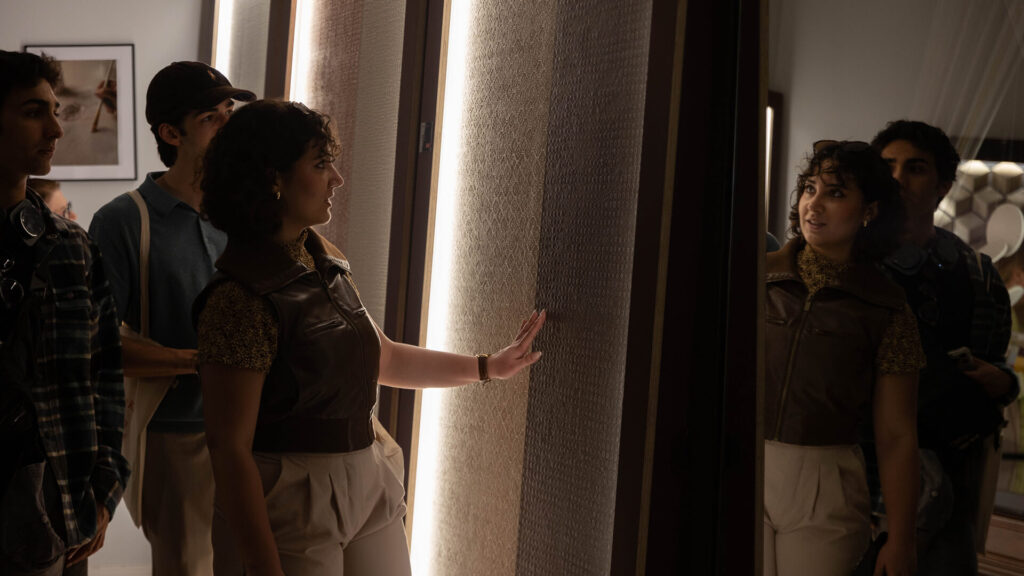
The moment that stopped most visitors was the interactive light station. By shifting the angle of a directional lamp, architects and designers watched a single surface transform in real time through relief deepening, shadows moving, new patterns appearing. Conversations sparked around how the same slab could serve entirely different moods depending on the light it receives.
Revealing what comes next
The second room offered a different kind of encounter, a glimpse of where that expertise is heading.
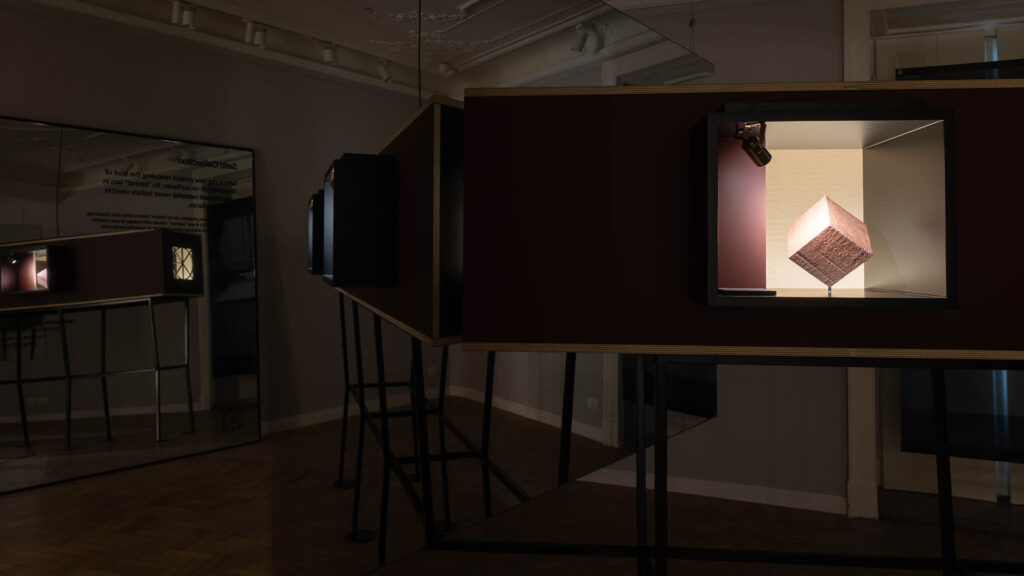
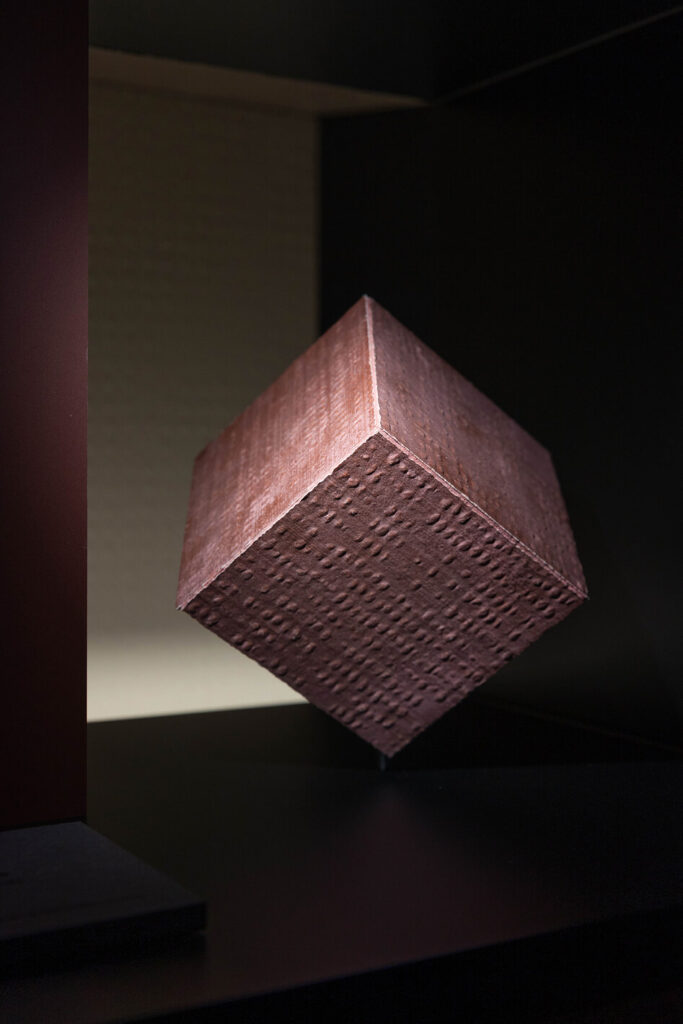
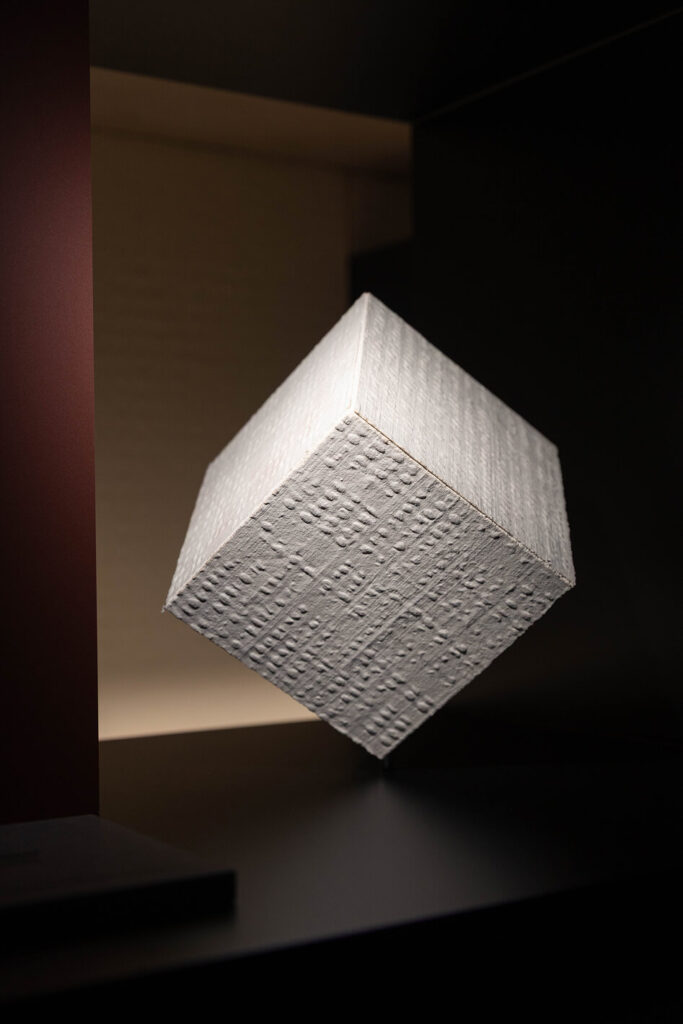
Here, new structures were showcased as illuminated cubes, each one framed like a jewel inside display cases conceived as precious treasure boxes. Under precisely directed lighting, theiridescent surfaces inspired by Shantung silk revealed their shifting character, colour, texture, and luminosity changing with every step and every angle. The effect was deliberate: presenting matter as something precious, meant to be observed closely before it becomes architectural scale, and letting visitors experience firsthand how structure and light work together to create a sense of luxury. Architects lingered around the showcases, examining each cube from different angles, watching colour and luminosity shift as they moved.
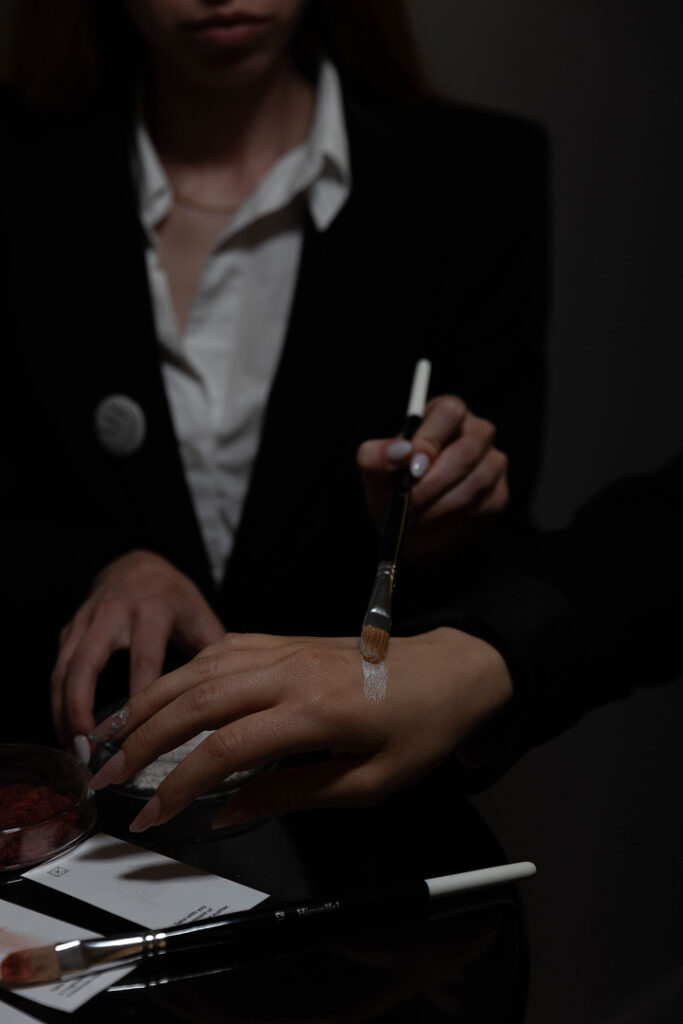
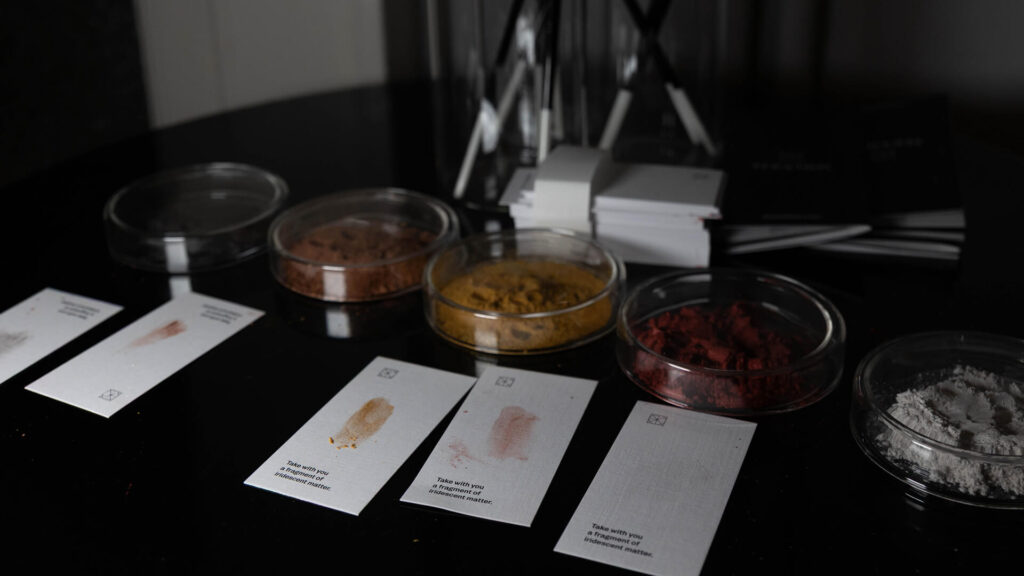
At the material table, visitors ran their fingers across the raw iridescent pigments feeling the softness of matter before seeing it translated into ceramic. Many paused, surprised by the warmth and delicacy of a material they expected to feel industrial. Before leaving the room, each visitor was invited to press their fingerprint onto paper and take it along as a keepsake, a personal imprint on the experimentation, connecting them to the research behind the surface.
Structure, material, light
Architextures was a statement of method. The atelier revealed how the brand works with matter: structure proves expertise, material creates novelty and light makes the surface come alive.
Throughout the week, architects and designers filled the space, exploring the research behind the surfaces and engaging with matter at a deeper level.
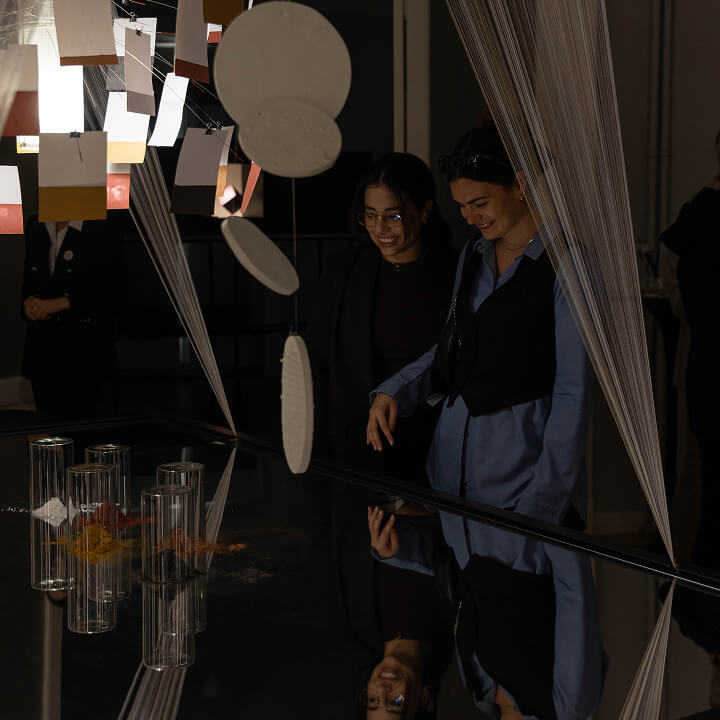
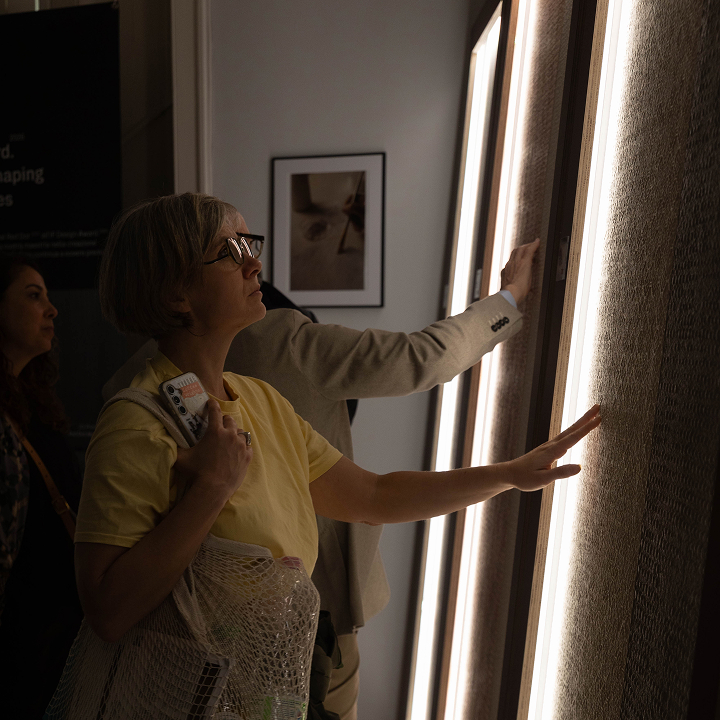
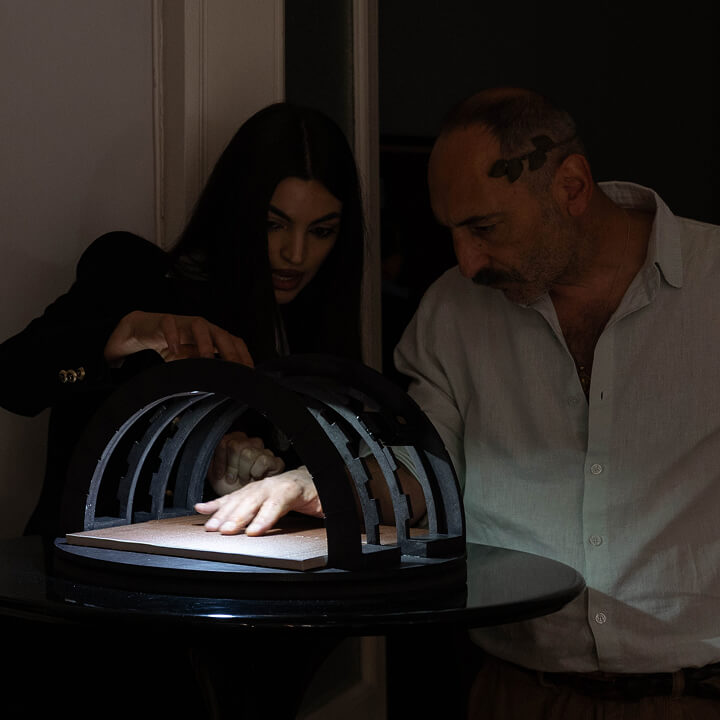
Here’s how some of them described the experience:
Grazia Vanuzzo, architect: “I didn’t expect this level of pure research, a true convergence of art and science conveyed through a material like porcelain stoneware. I’m already thinking about how to bring it into my projects.”
Paula Kennedy, designer: “When light hits different textures it reflects differently, and it gives us a sense of being in nature, because nature’s light is always changing and moving. That’s exactly what I’m feeling and experiencing here.”
This edition confirmed that the interplay between industrial precision and artisanal instinct is already shaping what comes next, along with the curiosity for materials never tried on ceramic. The conversation between structure, material, and light will continue.
Follow the research, and see where matter goes from here.
A second stage: senzaFINE at INTERNI Materiae
Nexion’s presence at Milano Design Week extended beyond the atelier. At the University of Milan, the brand contributed as a partner to “senzaFINE – beyond space limits”, the installation curated by Simone Micheli Architectural Hero in the Cortile d’Onore, within the INTERNI Materiae exhibition.
Rising over ten metres in the historic courtyard, the circular steel structure worked as a portal, a physical threshold leading into a fully digital, immersive experience. At its centre, two vertical videowalls narrated hospitality projects under development in Dubai – the Hubai Aparthotel and a penthouse at the Sensoria Tower at FIVE Luxe – while light effects, sound, and sculptural plexiglass spheres completed the sensory environment.
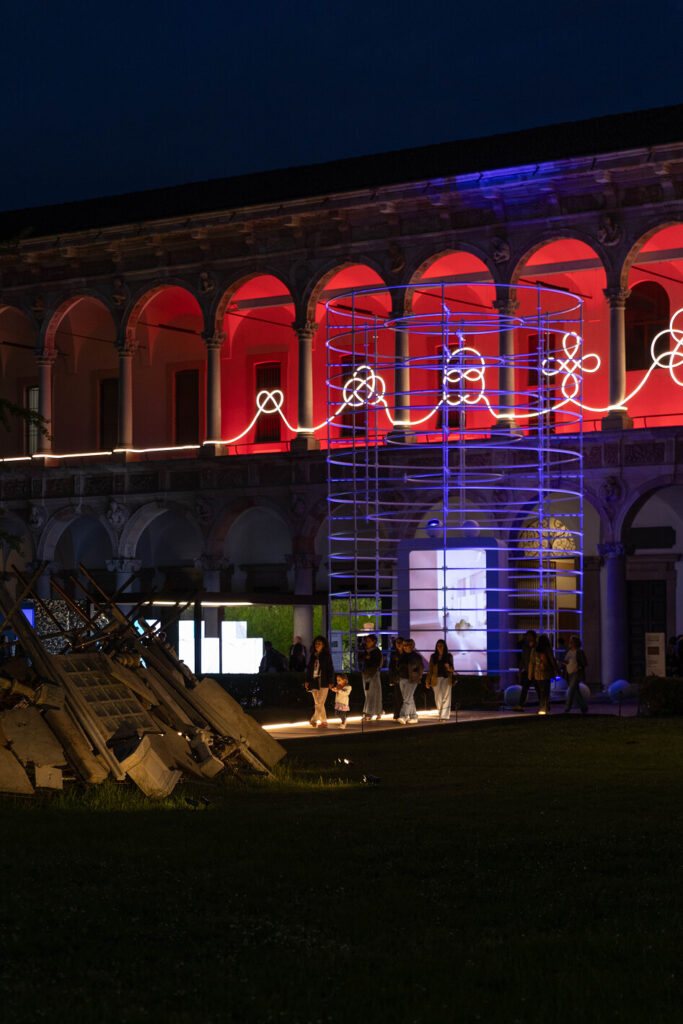
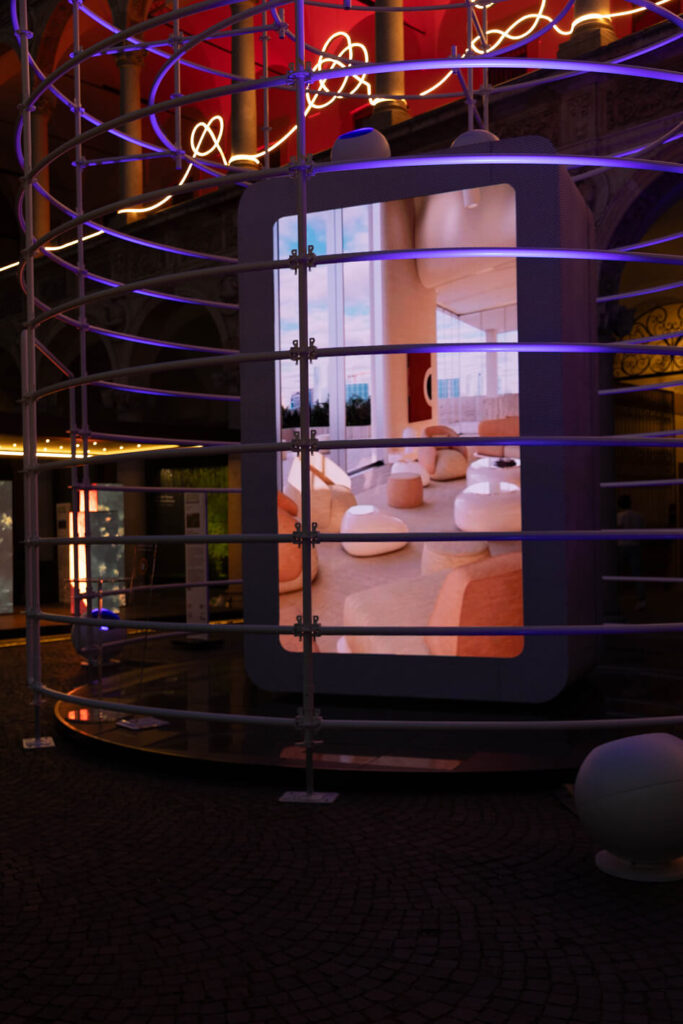
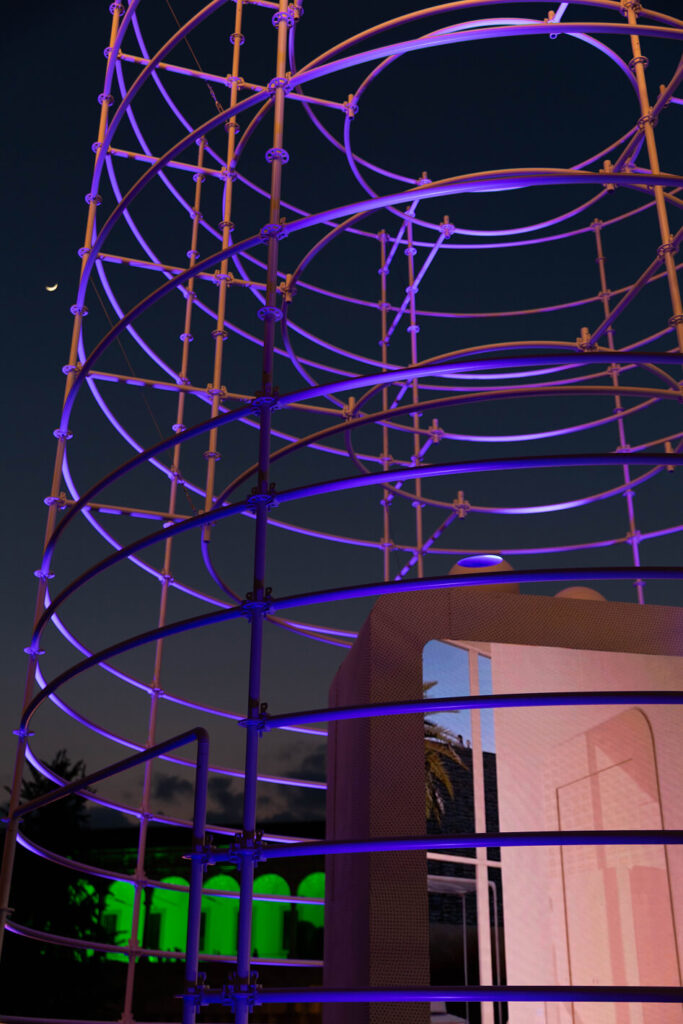
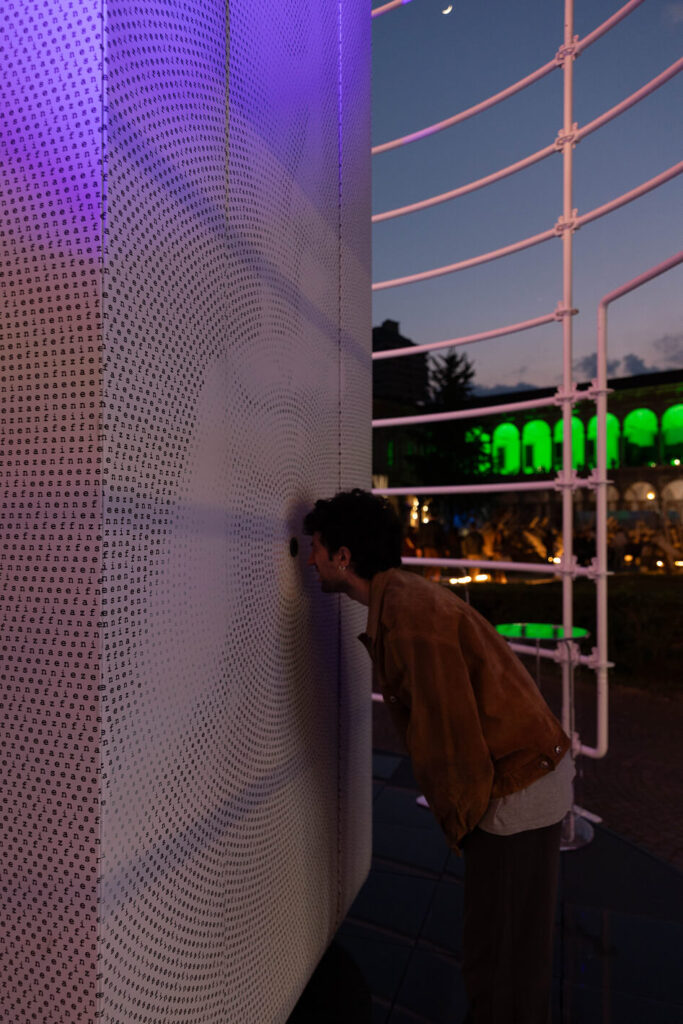
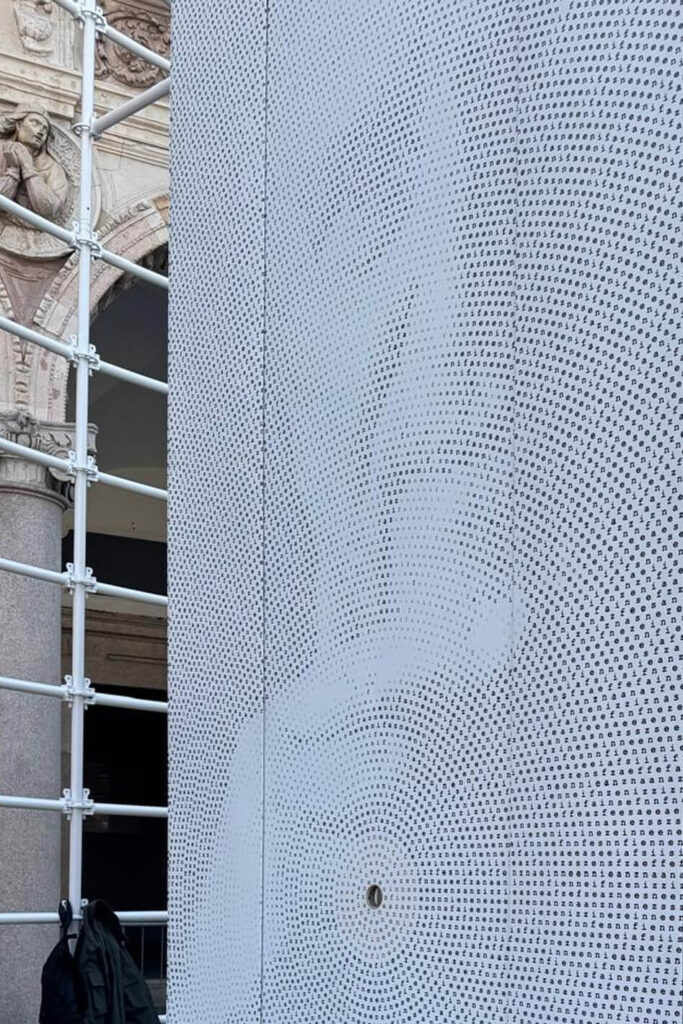
Conceived as a reflection on the new standards of high-end hospitality, senzaFINE offered a stage where Nexion’s surfaces joined a broader conversation about luxury interiors and the future of architectural design worldwide.