There is an invisible threshold that the finest spaces know how to cross. It is the moment when an environment stops being observed and begins to be felt. Light tells a story, materials and textures communicate warmth even before they are touched. Architecture stops speaking only to the eyes and begins to resonate on a deeper level.
This is the territory of Sensory Design. A profound evolution in the way spaces are conceived, designed, and inhabited. In an era shaped by digital surfaces and frictionless interfaces, the human body reclaims matter: textures to graze, depth to read, atmospheres to breathe. Earthy colours anchor a room even before a single piece of furniture is placed, while refined surfaces add depth and aesthetic sophistication to the language of contemporary architecture.
Sight, touch, sound, emotion: in Sensory Design, these are essential elements of spatial experience.
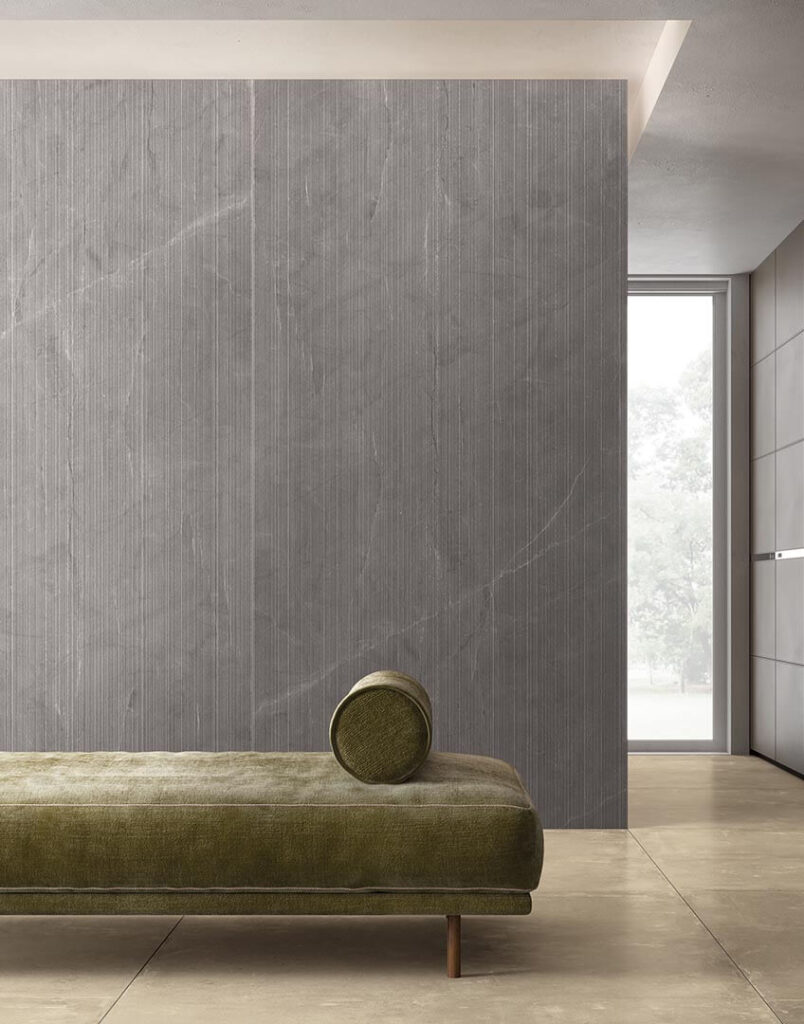
From texture to total sensory engagement
Sensory Design is the natural evolution of a design conversation that has been building momentum for years, moved through the tactile richness of Pattern Drenching and the restorative philosophy of Biophilic Design to arrive at something more complete and more ambitious.
Every surface, every finish, every material choice contributes to a space that engages not just the eye, but the entire perceptual system.
This is where the concept of crossmodal correspondences becomes central, the way our senses influence and amplify each other when we experience a space. Warm earthy colors evoke tactile softness even before a surface is touched. The depth of a marble pattern suggests acoustic intimacy. A sculptural relief changes the way a room feels to move through. When spaces are designed with this sensory intelligence, the result is architecture that communicates on a frequency the body understands instinctively.
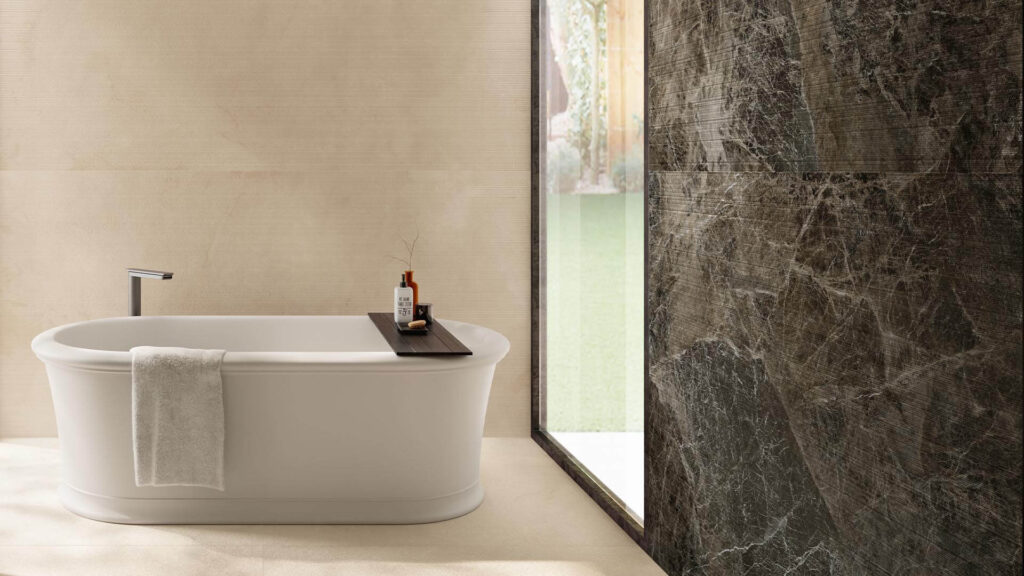
Light reveals what matter holds
Every material decision, the depth of a relief, the finish of a floor surface, the way light catches the edge of a sculpted pattern, actively shapes how a space is perceived and how people move through it.
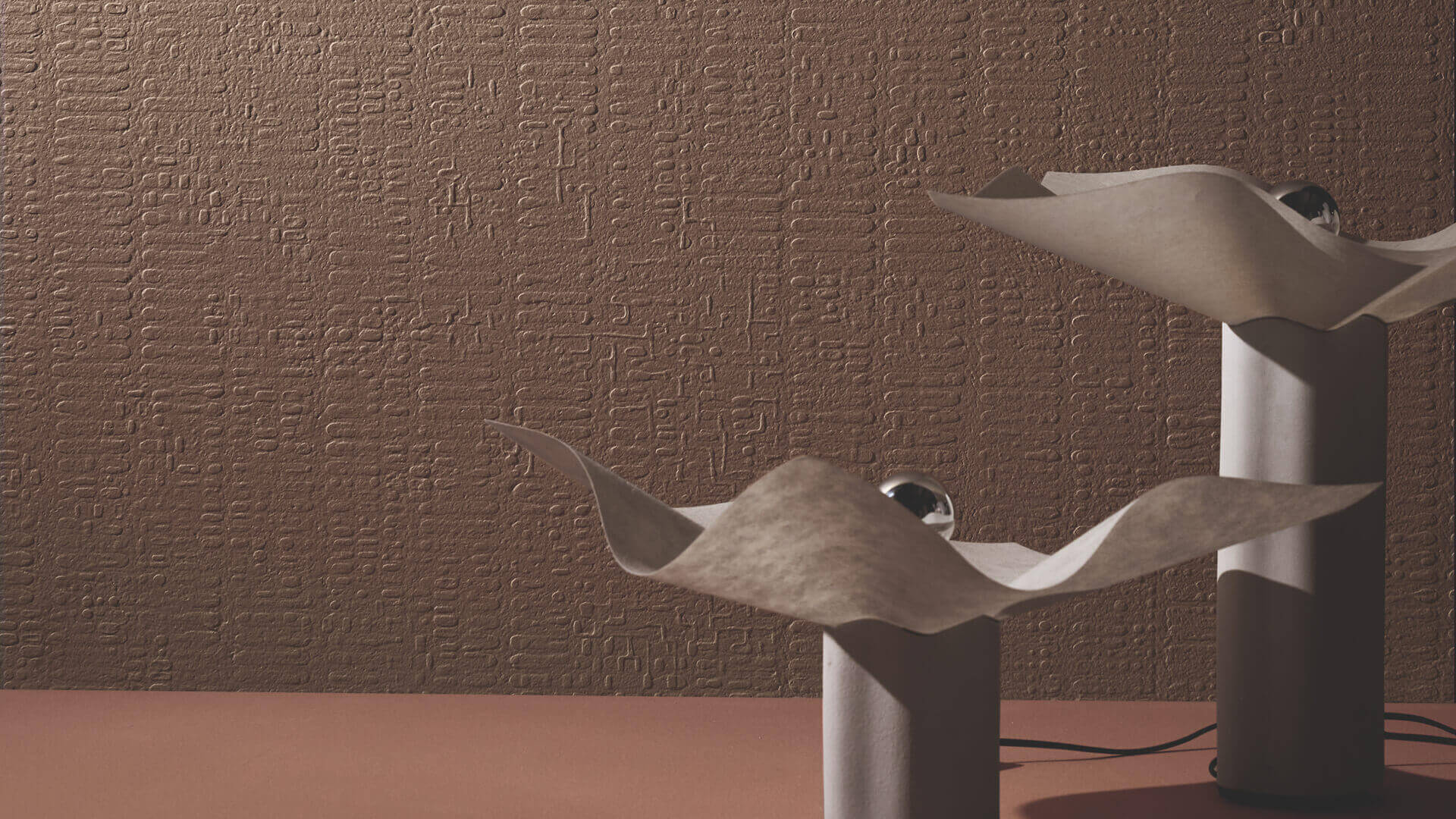
In Sensory Design, surfaces guide the eye, invite the hand, and modulate the emotional tone of a room. Beyond performance and aesthetics, surfaces communicate. When materials are designed to interact with light and texture, they become active participants in spatial experience. The Ombre collection by Nexion embodies this philosophy with remarkable precision. Awarded the iF Design Award 2026, this sintered stone surface was conceived as an architectural element.
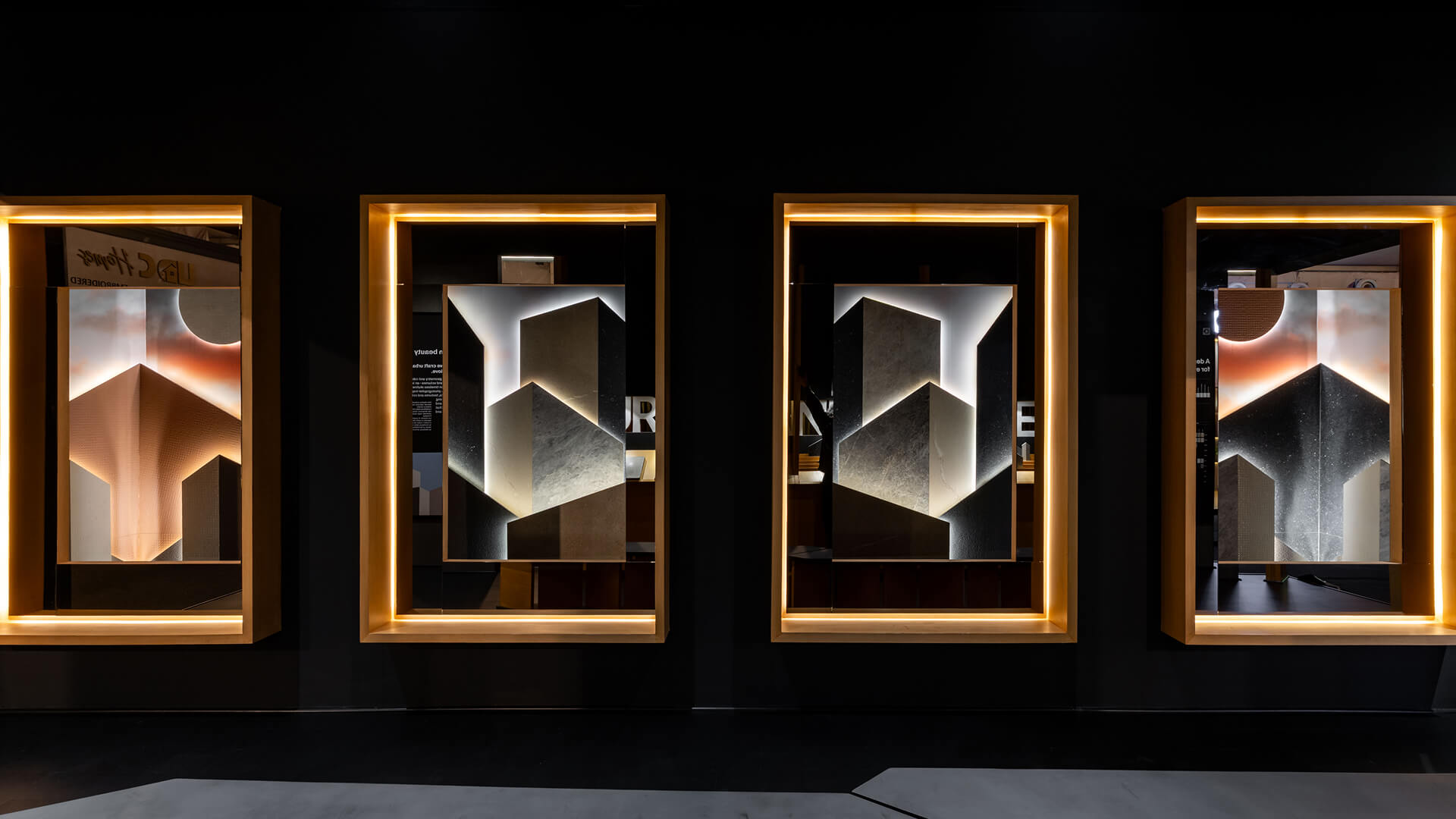
Its five sculptural structures – Punto, Croce, Forme, Trame, and Picché – create a three-dimensional surface language where depth becomes structure and imperfection becomes meaning. Patterns emerge and recede with changing light, shadows redefine volumes, and the surface transforms continuously throughout the day. A living presence that engages sight and touch simultaneously.
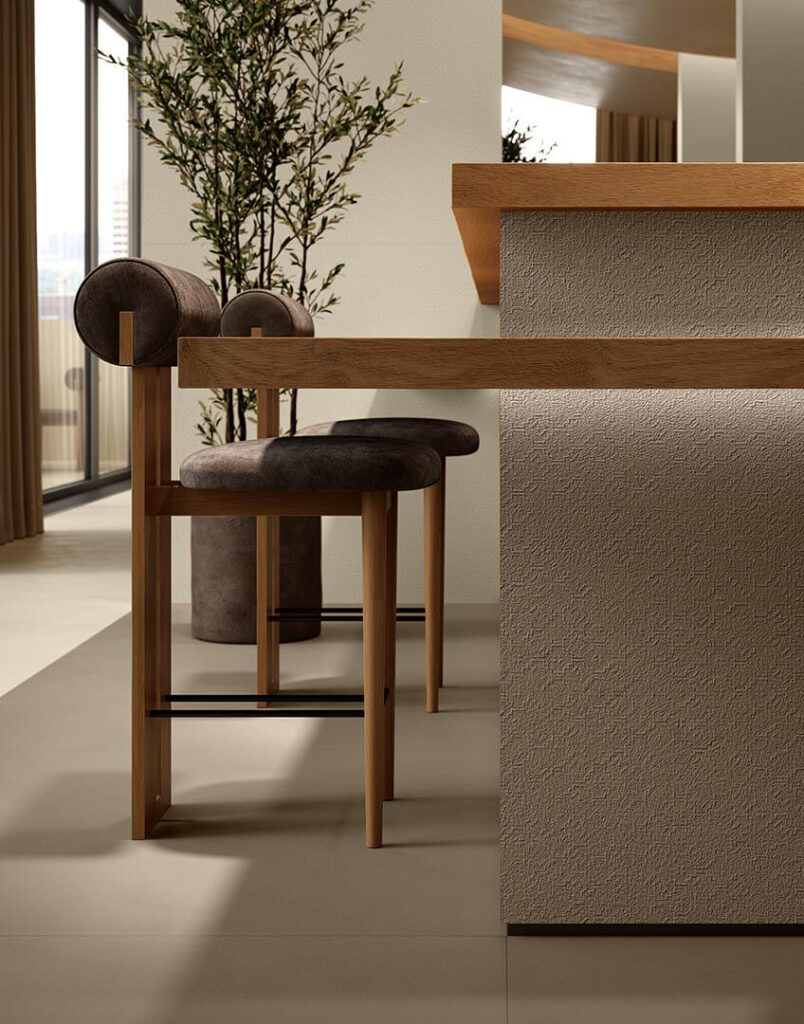
Multi-Sensory Design in Practice
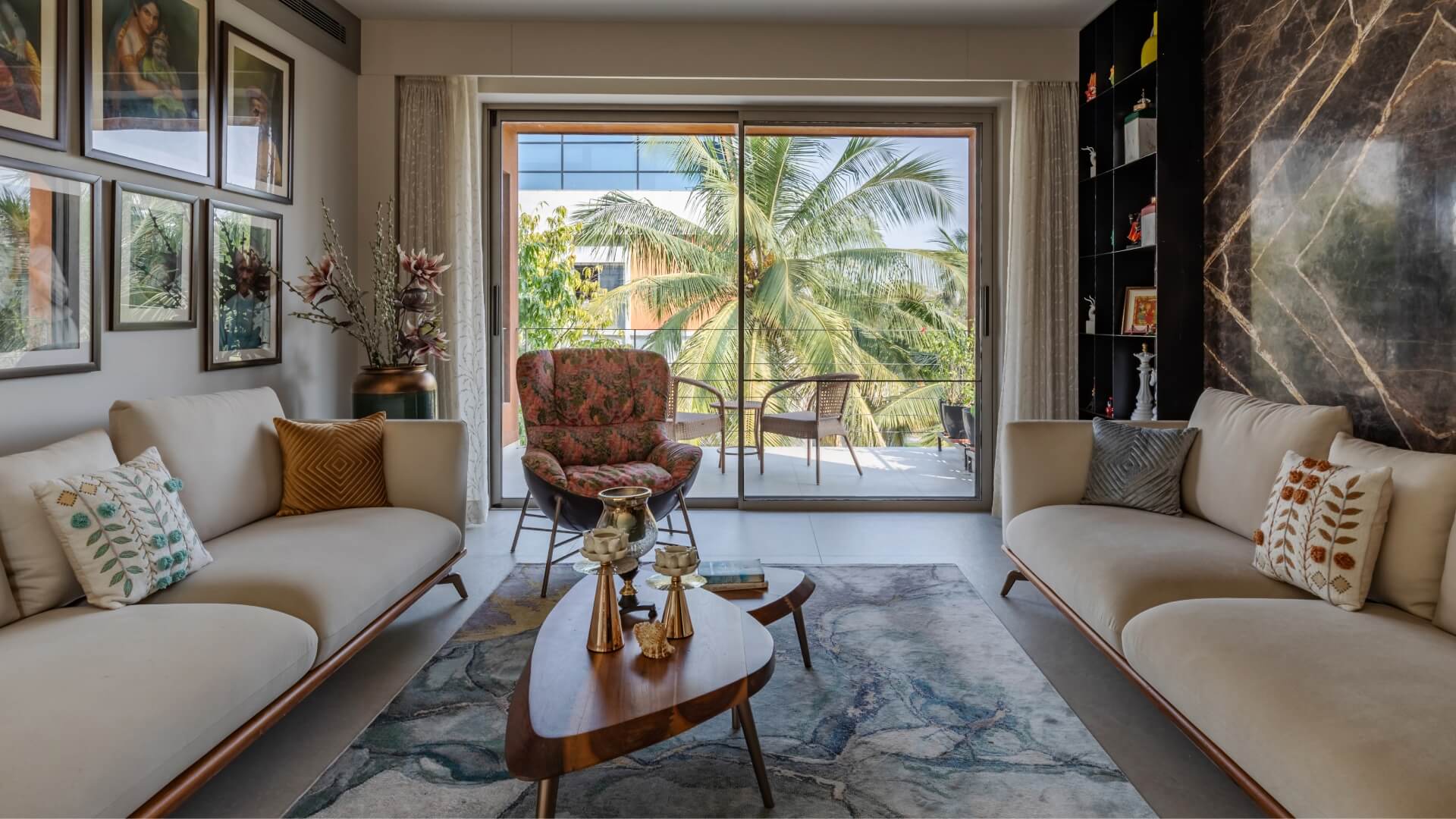
Sensory Design finds its fullest expression when applied across different architectural contexts, residential, hospitality, retail, wellness, and public spaces, each one demanding a different sensory register, a different material conversation.
In any interior where intimacy and refinement are the priority, from a private bathroom to a luxury spa, a boutique hotel suite or a high-end wellness facility, surfaces become the primary instrument of atmosphere. Clad in the sculptural depth of Ombre Forme Espresso, walls come alive with shifting shadows, the relief engraving catching light in a way that transforms a functional space into a sensory retreat.
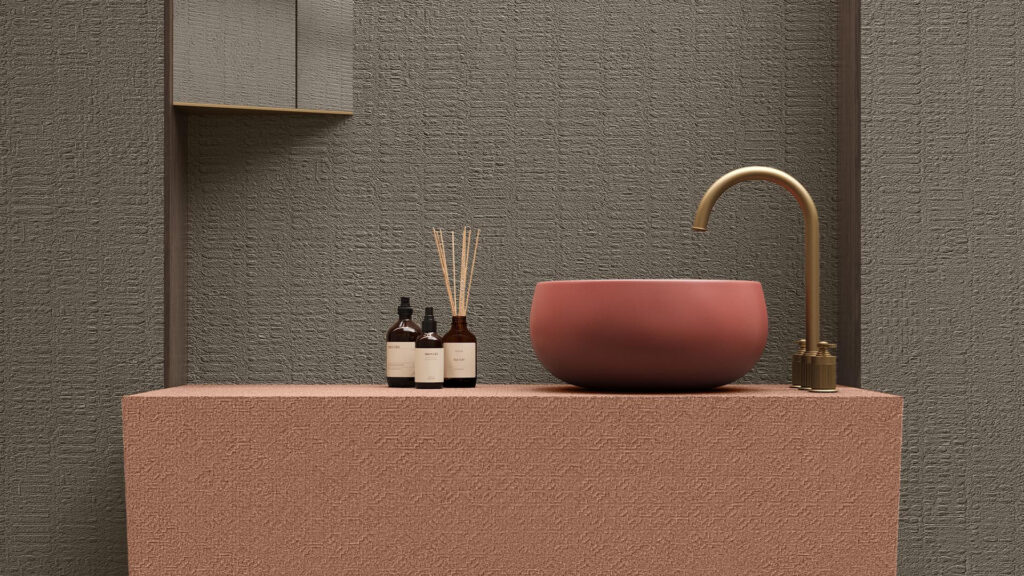
In high-demanding environments like hotels, restaurants, retail spaces, and public interiors, surfaces are designed to leave a lasting impression. The architectural concrete language of Riga, translating the expressive imperfections of handcrafted surfaces into precise geometric rhythm, creates immersivefull-empty sculptural effects where light and shadow define the spatial experience.Where deeper material presence is called for, the intensity and sophistication of Pulpis Grigio commands attention while maintaining the refined restraint that defines luxury hospitality design.
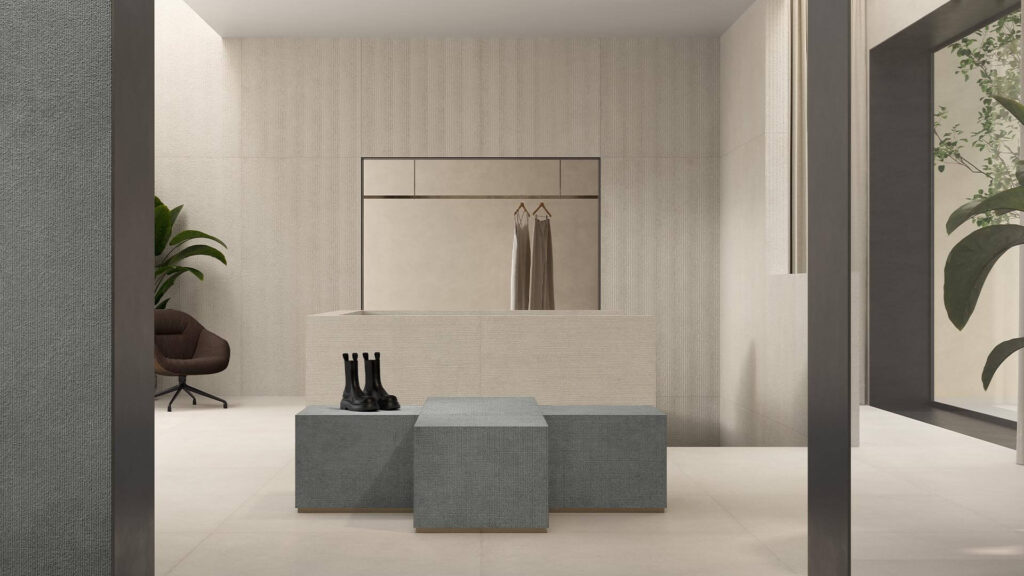
Crafting sensory excellence: the Nexion approach
Sensory design requires materials and surfaces that perform as precisely as they inspire, and that maintain their aesthetic and tactile presence over time.
Sintered stone represents an environmentally conscious response to the demands of sensory design, combining material authenticity with exceptional technical performance: resistant to wear, heat, UV exposure, and bacteria, it is engineered to endure. It offers the freedom to work at architectural dimensions while replicating the finest patterns and textures found in nature with exceptional fidelity.
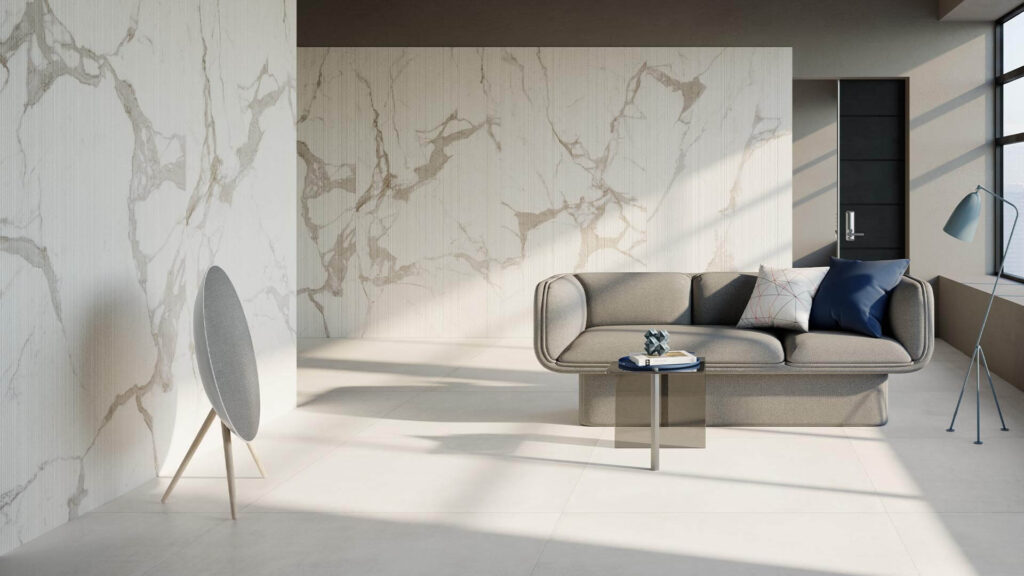
Different surface treatments translate into different sensory experiences. A lappato finish refracts light with a quiet luminosity. A matte, textured surface absorbs it, creating depth and warmth. A sculpted relief activates shadow, introducing rhythm and movement into a static plane.
Each finish is a distinct sensory instrument, a tool for designers to modulate perception, atmosphere, and emotional tone across every surface of a space.
The Future of interiors is sensory
The most memorable spaces have always been the ones that stay with us, not because of how they looked, but because of how they made us feel. Sensory Design is reshaping the way architects and designers approach every surface, every material, every finish. Interiors are becoming more layered, more tactile, more emotionally intelligent.
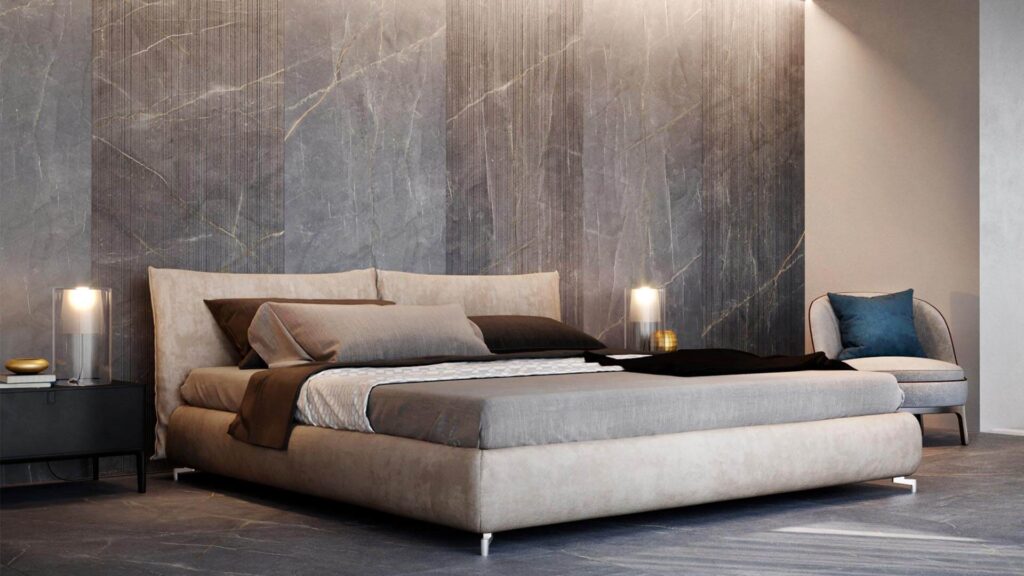
In this evolving landscape, surfaces shape how light moves, how textures are felt, and how spaces are remembered. Nexion sintered surfaces are conceived within this vision, offering designers a refined material language to define the sensory identity of contemporary architecture.
Explore surfaces curated for sensory design applications.
Sources: